In Ontario’s luxury residential construction market, project planning how to strategies define the line between seamless execution and costly setbacks. Whether you are a homeowner, architect, or builder, the stakes for landscape, pool, and custom build projects have never been higher.
This guide breaks down the project planning how to process, revealing the steps needed for flawless outcomes. We draw on real Ontario examples to show how early planning prevents change orders, delays, and budget overruns.
You will discover each phase of project planning how to, from vision development and scope alignment to risk mitigation and trade coordination. Follow this step-by-step roadmap to secure predictable, premium results for your next project with confidence.
A successful project planning how to process begins with a crystal-clear vision. In Ontario’s high-value residential and landscape construction, this vision anchors every decision, ensuring that the finished result reflects both aesthetic goals and functional needs.
Capturing the full scope is essential. Define all elements, from pools and grading to outdoor kitchens and integrated lighting. Failing to document details often leads to scope creep—unexpected additions that inflate costs and cause delays. Real Ontario projects have seen budgets spiral when features like advanced drainage or complex grading were not specified upfront. For deeper insight, explore pools and landscape project insights.
Stakeholder alignment is critical. Coordinate input from homeowners, architects, and landscape architects early. Ontario-specific realities, such as zoning by-laws, conservation authority regulations, and municipal approvals, must shape your scope and objectives from the start.
Set measurable objectives: target timelines, budgets, and quality benchmarks. Use tools like project charters, vision boards, and early design sketches to keep everyone aligned. When executed with discipline, project planning how to ensures your vision becomes reality on time and on budget.

A rigorous site analysis is the cornerstone of any successful project planning how to approach, especially for premium residential and landscape projects in Ontario. Understanding the land’s unique features early helps prevent surprises that can derail timelines and budgets.
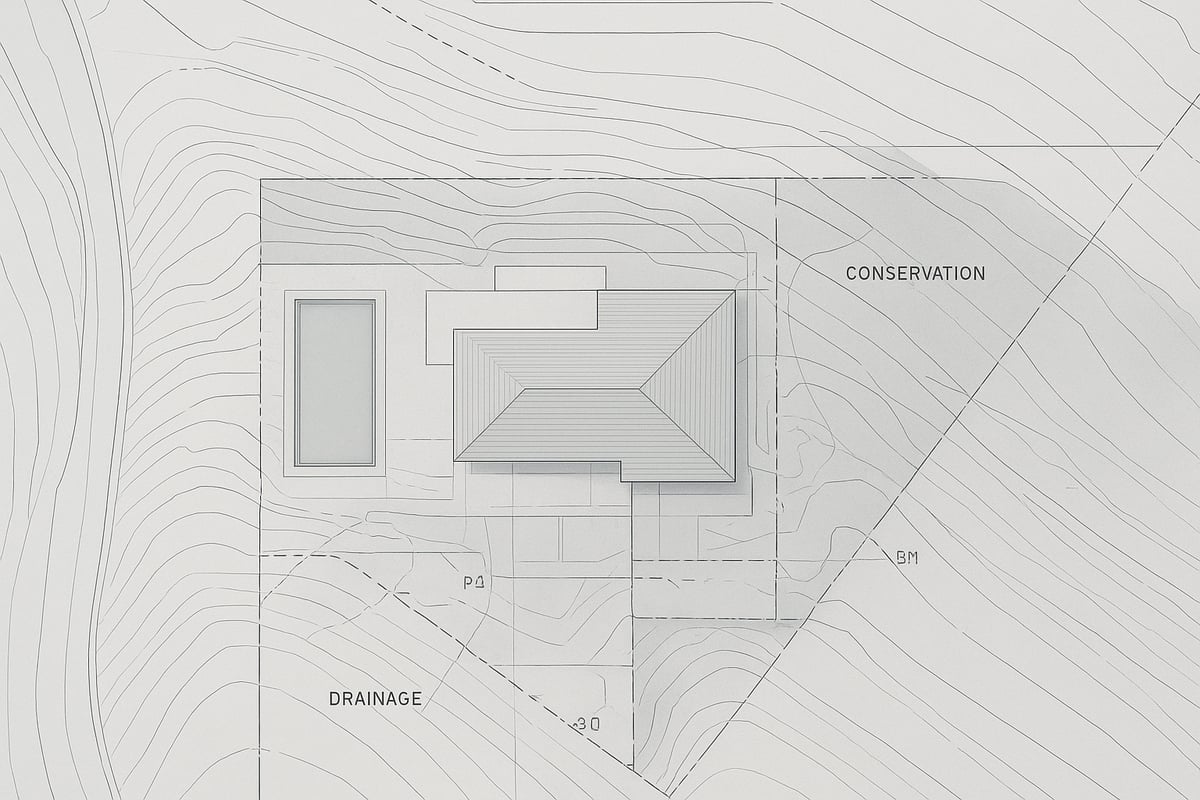
Every project planning how to journey must begin with precise topographical and grading surveys tailored to Ontario’s distinct terrain. These surveys map out critical details like soil type, drainage flow, setbacks, and easements. Overlooking these factors can quickly escalate complexity and risk, leading to costly grading errors or compliance issues. To understand how early analysis shapes project outcomes, explore project complexity in construction.
Proactive site analysis ensures all stakeholders share a clear technical foundation from day one.
A disciplined project planning how to process weighs client vision against the realities imposed by Ontario’s by-laws, conservation authorities, and permit requirements. Feasibility studies integrate architectural and engineering input early, aligning design ambitions with budget and physical site constraints. Missed grading issues can delay projects by months; in the GTA, permit delays alone may add 10-20% to the timeline.
Use site findings to inform construction sequencing, trade scheduling, and risk mitigation strategies. This approach empowers teams to anticipate challenges, avoid rework, and deliver seamless, premium results.
Turning your vision into reality starts with construction-ready plans. In Ontario, project planning how to achieve flawless builds begins with technical documentation that bridges ideas and execution.
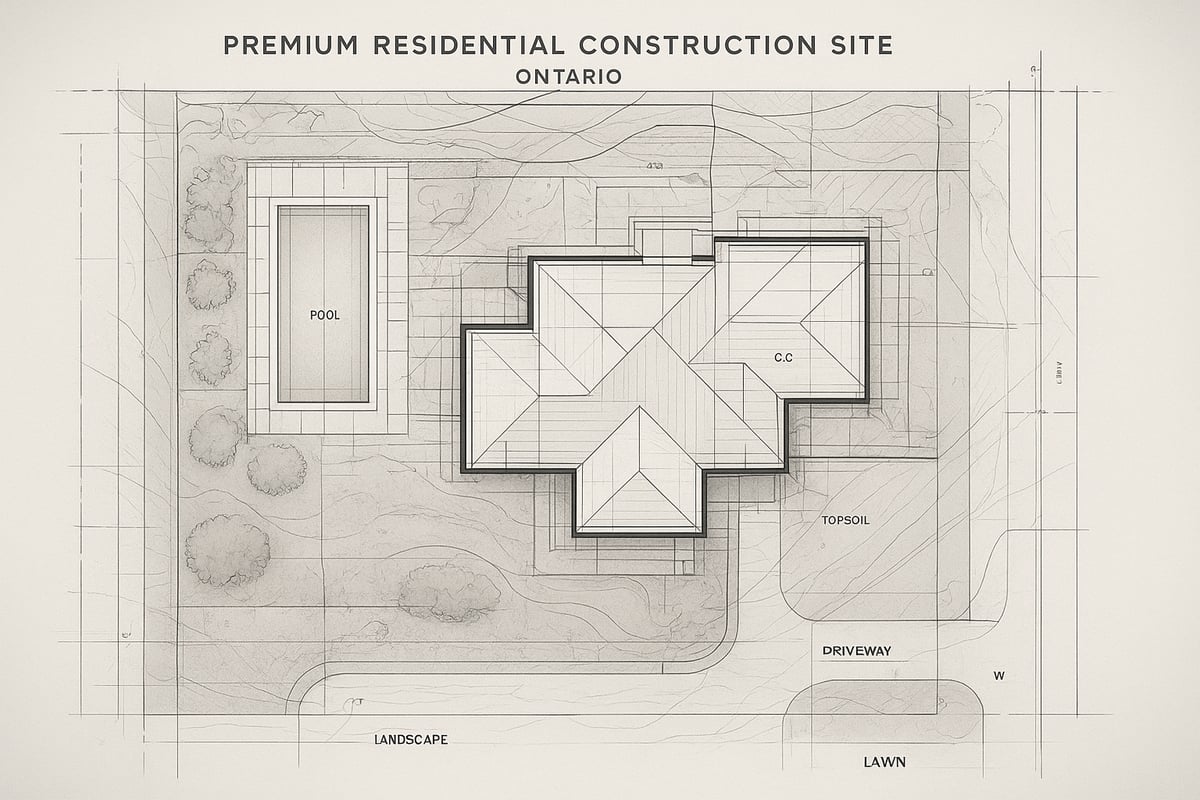
Every successful project planning how to guide emphasizes comprehensive construction drawings. These include:
Sequencing is critical. Schematic designs evolve into design development, then into detailed construction documents. Each phase clarifies intent, buildability, and trade requirements, preventing costly gaps between design and execution.
Ontario projects require documentation that meets provincial and municipal digital standards. Tender-ready packages provide clarity, allowing trades to price accurately and avoid scope misunderstandings.
Including technical specifications—materials, finishes, and construction methods—ensures premium outcomes. For example, incomplete drawings once led to weeks of site delays and expensive change orders on a GTA build.
Collaboration between designers and general contractors protects the project vision and budget. For more on essential documentation, see our design drawings and project specs resources.
Effective project planning how to for premium Ontario builds starts with a transparent budget. Every element—grading, pool construction, landscaping, and integrated systems—must be accounted for. Homeowners, architects, and builders should collaborate early to set realistic allowances and include contingencies for unexpected site conditions or design changes.
A detailed budget is crucial. Include line items for permit fees, utility locates, inspections, and specialty materials. Review historical data from similar builds to inform allowances and prevent surprises. In Ontario, costs can rise quickly if site-specific challenges like complex grading or conservation requirements are overlooked.
Ontario Cost Drivers Table
| Item | Typical Impact |
|---|---|
| Permit Fees | $5,000 - $30,000+ |
| Utility Locates | $500 - $2,000 |
| Inspections | $2,000 - $10,000 |
| Custom Pool Equipment | Varies (allow 10-15%) |
A disciplined project planning how to approach involves inviting qualified trades to tender, not just the lowest bidders. Ensure every bid covers the full scope—grading, pool shell, hardscape, and finishes. Evaluate bids for completeness, experience, and value alignment. Early procurement of long-lead items, like custom pool equipment, avoids costly delays.
Trade coordination is where many premium projects succeed or fail. Sequence work to minimize site congestion and rework. For example, lack of clear scheduling between pool installers and landscape crews can lead to avoidable delays. Transparent trade management and construction risk management strategies protect your timeline and budget. Solid Plan’s integrated approach ensures that every trade understands their responsibilities, reducing change orders and keeping your project on track.

For premium landscape and pool projects, understanding Ontario’s regulatory environment is essential. Success starts with project planning how to address permits and compliance early, preventing delays and costly setbacks.
Ontario’s permitting process is multi-layered, involving municipal approvals, conservation authorities, and utility clearances. Each municipality has unique requirements for pools, grading, and landscapes. For a detailed overview, refer to the Ontario Building Permit Process for guidance on applications, inspections, and timelines. Missing a required permit or misinterpreting zoning can halt an entire project.
Common requirements include:
Early coordination with all authorities ensures smoother approvals.
A critical step in project planning how to execute premium builds is submitting complete, accurate permit packages. Incomplete documentation often leads to delays, costly revisions, or municipal pushback. Timelines in the GTA can range from several weeks for minor works to months for complex builds.
Non-compliance risks include:
Solid Plan’s approach is proactive: we anticipate regulatory hurdles, manage revisions efficiently, and maintain clear communication with approval bodies. This keeps complex projects moving forward, protecting vision, budget, and schedule.
Effective sequencing and scheduling are at the heart of every premium residential build. For those seeking a project planning how to guide, understanding critical path, dependencies, and milestones is the best way to keep Ontario landscape and pool projects on track.
Solid Plan develops a master schedule that breaks down each phase. Site preparation, grading, pool shell installation, hardscape, planting, and custom finishes are carefully sequenced to reduce downtime and prevent trade conflicts.
Ontario’s climate demands strategic risk mitigation. We buffer schedules for weather delays, supply chain disruptions, and seasonal shutdowns. Early procurement of specialty items and flexible trade coordination guard against costly interruptions.
Clear communication protocols are essential. Regular site meetings, progress updates, and thorough documentation ensure all stakeholders are aligned. By locking scope and design before mobilizing, we prevent last-minute changes and avoid unnecessary change orders.
Quality assurance is non-negotiable. Our process uses inspections, checklists, and formal sign-offs, adhering to Ontario Construction Requirements. Early planning allowed one recent Solid Plan project to avoid a major redesign, saving months and thousands in rework.
For those evaluating project planning how to strategies, expert sequencing, scheduling, and proactive risk management are what set premium Ontario projects apart.
A premium project in Ontario demands more than just skilled trades. The general contractor acts as the “architect of the build process,” transforming ideas into reality. From the earliest stage, the GC provides the project planning how to expertise that ensures grading, sequencing, and trade coordination are meticulously managed.
Solid Plan’s leadership brings clarity to complex projects. We centralize communication among homeowners, architects, landscape architects, and trades. This ensures every detail, from permit applications to the first shovel in the ground, is coordinated. For Ontario, this expertise includes navigating requirements like the Toronto Building Permit Guidelines.
We advocate for our clients by managing budgets, timelines, and quality benchmarks. Our team oversees all aspects, including pools, grading, and integrated systems. By sequencing trades and anticipating long-lead procurement, we prevent conflicts and inefficiencies. Regular site meetings and documentation keep everyone informed and aligned throughout the build.
Solid Plan safeguards design intent from concept to completion, avoiding costly value engineering traps. Early, thorough project planning how to processes help lock scope, protect vision, and reduce change orders. In one recent GTA project, expert management prevented delays and budget overruns, proving that an experienced Ontario-based general contractor is essential for premium results.
Now that you understand how crucial each phase of project planning is—from refining your vision to navigating Ontario’s unique permitting landscape—you can see how expert guidance makes all the difference. At Solid Plan, we’re here to help you bring your dream project to life with meticulous oversight, clear communication, and unwavering advocacy. If you’re ready to move forward with confidence and set your 2026 project up for success, let’s connect and discuss your goals in detail. Book a Consultation today and take the first step toward a seamless, high quality build.