In Ontario’s premium residential construction market, even the smallest oversight can trigger costly delays and compromise a project’s vision. From luxury landscapes to custom pools and estate homes, the stakes are high, and the margin for error is slim.
A proactive construction risk management plan is not optional but essential for safeguarding your investment and ensuring every detail comes together as intended. When early planning, trade coordination, grading, and permit realities collide, a robust strategy separates success from setbacks.
This guide offers a clear, step-by-step approach for developing a construction risk management plan tailored to high-value projects in 2026. You will learn how to identify, assess, and mitigate risks unique to Ontario, protecting design, budget, and timelines from start to finish.
A construction risk management plan is the foundation for safeguarding high-value residential projects in the GTA. In Ontario, luxury landscapes, pool builds, and custom homes face unique challenges due to strict municipal by-laws, conservation authority restrictions, and an intricate permitting process. Each approval step can introduce costly risks if not managed proactively.
Consider a grading plan error that leads to drainage issues or a missed permit condition delaying a pool installation. Even minor supply chain delays can cascade, affecting both budget and project sequencing. The stakes are high: according to Ontario construction sector trends, 1 in 5 workplace fatalities occur in construction, highlighting the sector’s inherent risks. Globally, the risk management market is valued at $12 billion, underscoring the demand for robust solutions.
Financial, legal, operational, and reputational risks are deeply interconnected in premium construction. Early-stage planning and detailed technical oversight are critical, reducing exposure to unforeseen change orders and schedule disruptions. Ultimately, a comprehensive construction risk management plan is essential for protecting investment, design intent, and client satisfaction in Ontario’s most demanding projects.
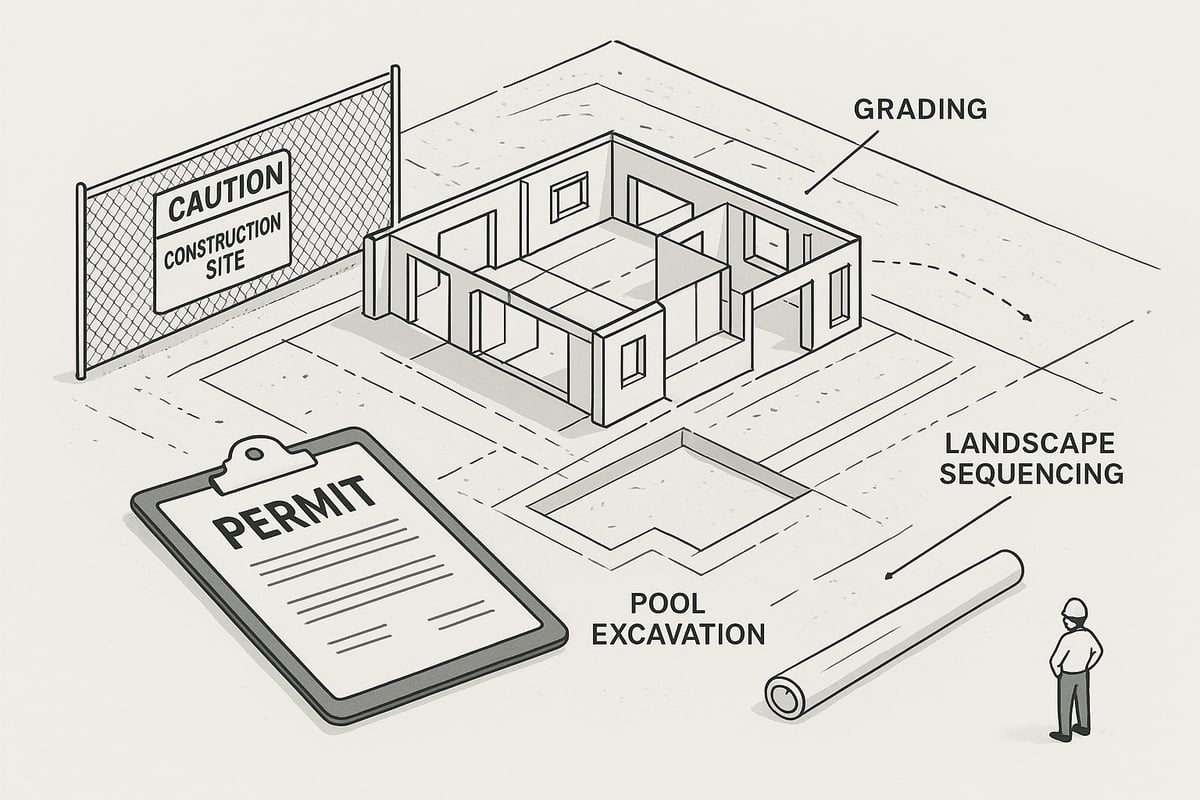
Building a robust construction risk management plan requires a structured approach, especially for premium Ontario projects. Each component works together to anticipate, assess, and address potential issues before they threaten design intent, budget, or timelines.
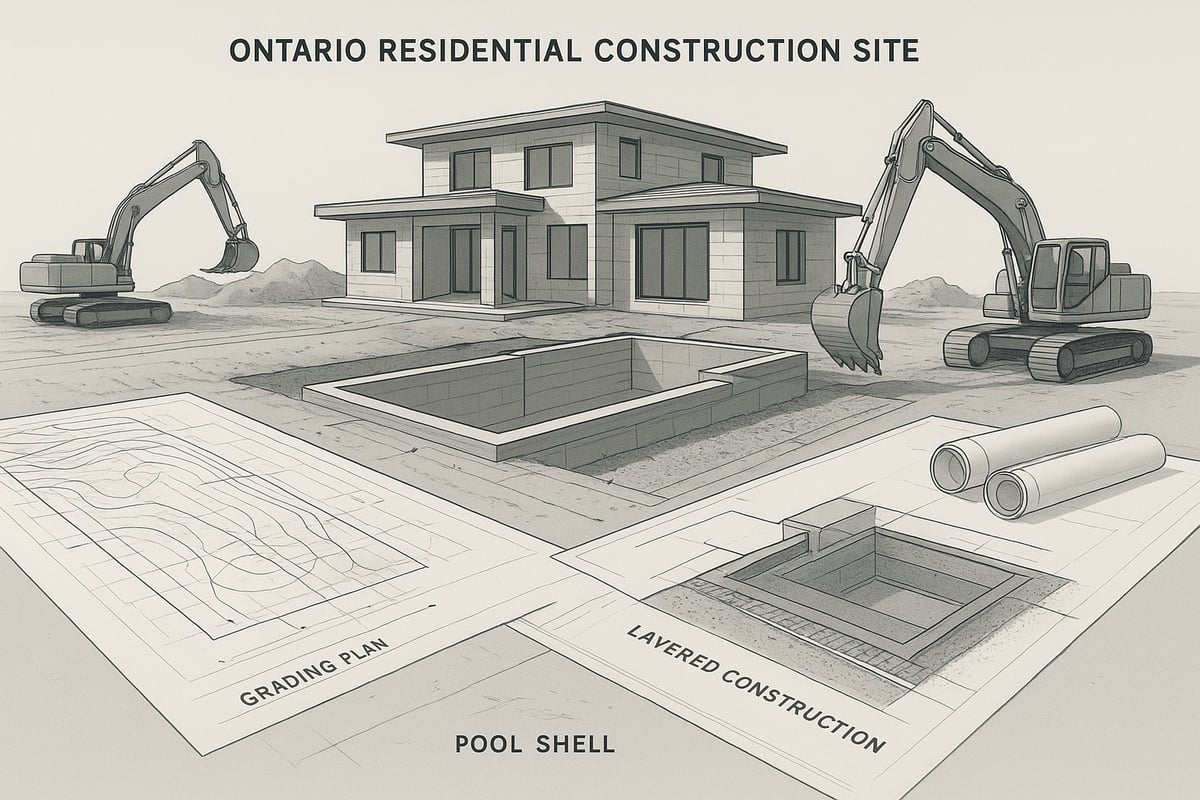
The first step in a construction risk management plan is systematic risk identification. This includes analyzing site conditions, anticipating design changes, and addressing trade coordination challenges. For premium landscapes and pools in the GTA, weather, grading, and regulatory hurdles are particularly critical.
Stakeholder workshops help surface hidden risks, while reviewing past projects reveals patterns unique to Ontario. For example, a delayed conservation approval can trigger cascading impacts across the build sequence.
Once risks are identified, the next stage of a construction risk management plan is assessment. Teams use qualitative and quantitative tools, such as likelihood and impact matrices, to score each risk.
Complex pool and landscape projects require prioritizing issues that could affect budget, schedule, quality, or compliance. For instance, late design changes may cause significant budget overruns, while minor landscaping delays are less critical.
Mitigation is where the construction risk management plan becomes actionable. Solid Plan creates contingency budgets, identifies alternative suppliers, and establishes robust tendering processes.
Each risk receives clear ownership, with sequencing designed to minimize weather and site access challenges. For premium projects, locking in pool shell trades early is essential. Learn more about these strategies in our Construction management services overview.
A successful construction risk management plan starts well before the first shovel hits the ground. For premium Ontario projects, early planning is crucial to protect design intent, budget, and schedule. By breaking the process into five clear steps, you can reduce exposure to costly surprises and keep your project on track.
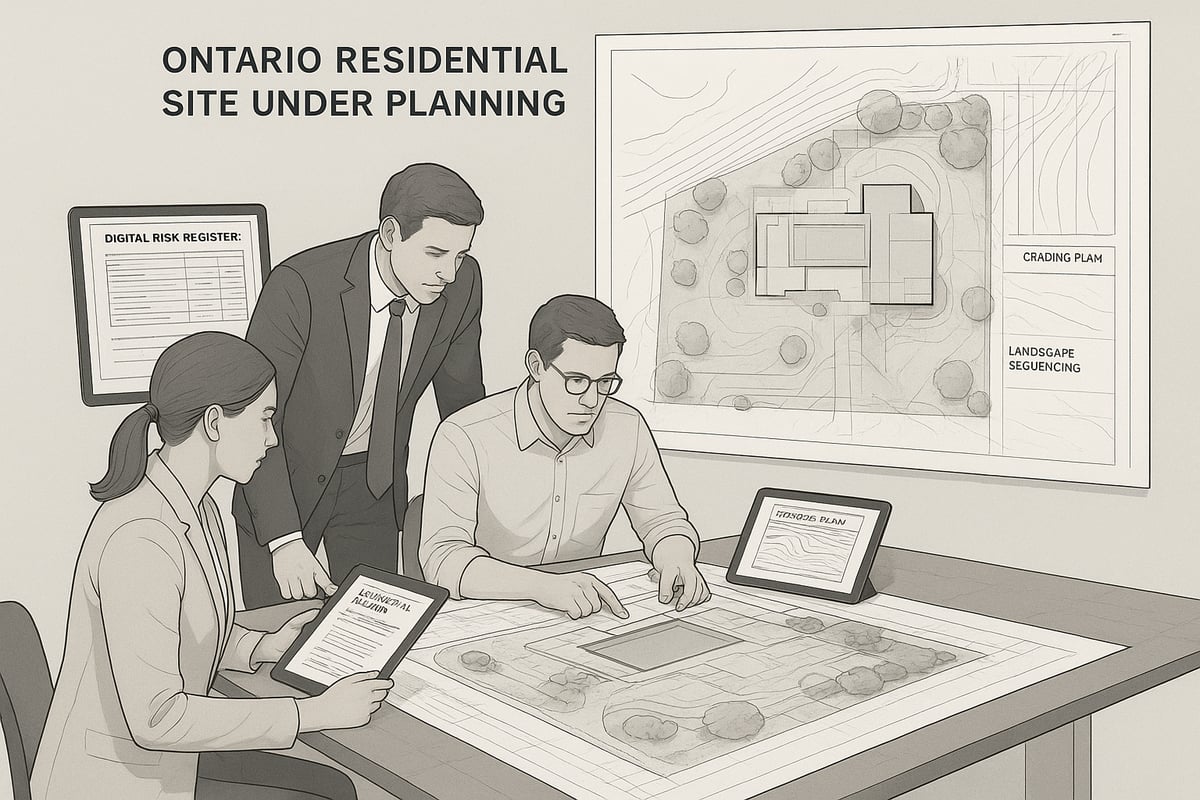
Begin with comprehensive, construction-ready plans. Gather all municipal, conservation, and zoning requirements upfront. Invest in detailed grading and drainage studies, as these are essential for premium landscape and pool builds. Early engagement with key trades helps identify potential constraints before construction begins. A robust construction risk management plan at this stage reduces the risk of late-stage changes and budget overruns.
Host risk workshops with owners, architects, engineers, and trades. Use historical data and lessons from past projects to surface hidden risks—missed permit conditions, supply chain delays, or grading plan errors. Document all findings in a centralized risk register. For inspiration, review Case studies on project risk to see how other Ontario projects have navigated similar challenges and mitigated costly issues.
Apply a risk matrix to each identified threat. Score risks by likelihood and impact, focusing on those that could derail budget, schedule, or design. Prioritize issues such as pool waterproofing, structural grading, and permit delays. This structured approach ensures resources are allocated where they matter most for high-value builds.
Develop targeted strategies for each critical risk within your construction risk management plan. Assign clear ownership and deadlines. Examples include flexible sequencing, early procurement of specialty materials, and pre-booking trades to avoid seasonal slowdowns. Proactive mitigation prevents cascading delays and protects both investment and design quality.
Set up regular review meetings and update the risk register monthly. Use digital tools for real-time tracking and transparent communication with all stakeholders. Capture new risks as construction progresses, ensuring the plan adapts to evolving site realities and regulatory requirements. Clear communication is key to maintaining momentum and client confidence.
Ontario’s premium residential sector demands a construction risk management plan that addresses unique regional challenges. From intricate approval processes to strict code compliance, each step requires careful technical oversight and proactive planning.
Key best practices for Ontario projects:
A construction risk management plan rooted in these best practices can prevent budget blowouts and design compromises. For example, in a recent Toronto luxury landscape build, proactive grading studies and early permit coordination eliminated costly mid-project delays, safeguarding both budget and design integrity.
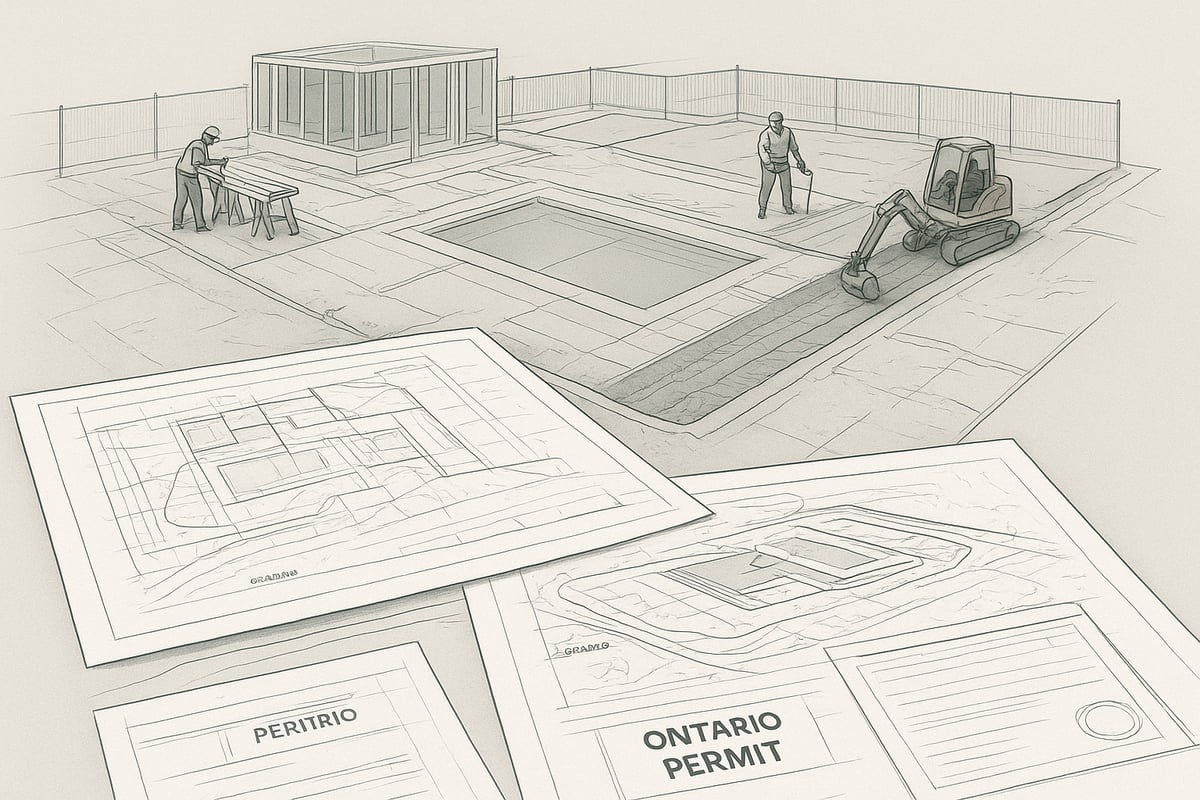
Effective project management is the backbone of any successful construction risk management plan in Ontario’s premium residential sector. By orchestrating every phase, from concept to completion, project managers ensure that high-value landscapes, pools, and custom home builds stay true to the original vision, budget, and timeline.
Project managers serve as the technical layer between owners, architects, and trades. Their role goes beyond scheduling; it includes protecting design intent, ensuring compliance with municipal approvals, and sequencing work to avoid costly pitfalls.
Key actions include:
This level of oversight is vital for maintaining quality and minimizing risk, especially in the context of Ontario’s strict by-laws and seasonal constraints.
A robust construction risk management plan relies on structured processes, from regular progress tracking to transparent reporting. Quality control checkpoints at each milestone catch issues early, reducing the risk of change orders and budget overruns.
Solid Plan integrates risk management into every phase. For instance, in the How we flourished with For Human story, strategic coordination and proactive communication allowed for the seamless delivery of a complex project, despite regulatory and logistical challenges.
By acting as advocates for owners and collaborating closely with architects and builders, expert project managers safeguard investment and uphold the highest standards in Ontario’s luxury construction market.
A comprehensive construction risk management plan is essential for delivering premium residential projects in Ontario with confidence and control. For homeowners, architects, and builders, the advantages extend far beyond compliance.
Key benefits include:
For expert support in developing a tailored construction risk management plan, Contact Solid Plan for risk consulting and ensure your next GTA project is set up for lasting success.
As you’ve seen, managing risk is essential for protecting your investment, design vision, and peace of mind in Ontario’s high-end construction projects. At Solid Plan, we combine expert project management with a proactive risk management approach, so you can enjoy a smooth process from initial planning to final handover. If you’re looking to safeguard your project’s timeline, budget, and quality—or simply want guidance tailored to your unique goals—we’re here to help. Let’s discuss how a customized risk management plan can set your 2026 project up for success.
Book a Consultation
Article written using RankPill.