In Ontario’s high-end residential construction, a single misstep in project clarity can trigger costly delays and budget overruns. When Requests for Information are poorly handled, confusion spreads, schedules slip, and premium outcomes are put at risk. For luxury landscapes, pools, and custom homes, every detail counts.
This guide delivers a 2026-ready approach to project management rfi best practices tailored for Ontario’s complex building environment. You will learn the essentials, from understanding RFIs and navigating local process steps, to avoiding pitfalls and leveraging technology for better project outcomes.
We will break down what to include in an RFI, highlight the difference between RFIs and other documents, and give you actionable strategies for smooth, coordinated builds. Solid Plan brings you the expertise to protect your investment, maintain design intent, and achieve exceptional results. Let’s set your next project up for success.
A Request for Information, or RFI, is a core tool in the project management rfi process for Ontario’s premium residential market. In high-end pool, landscape, and custom home construction, an RFI bridges the gap whenever drawings, specifications, or site conditions are unclear. RFIs prevent costly errors by prompting precise answers before work begins.
Homeowners, architects, landscape architects, builders, and specialized trades all generate or respond to RFIs. Each RFI becomes part of the official project record, protecting all parties if disputes arise. Legally, a well-managed RFI log can be invaluable for defending design intent and documenting decisions throughout the project lifecycle.
Ontario projects often require RFIs to clarify grading plans, pool equipment specifications, or to propose approved substitutions when materials are unavailable. For complex builds, response times average 6–10 days, but delays can ripple through scheduling and budget. According to Navigant, each RFI can add over $1,000 in direct and indirect costs. For more insight into how RFIs shape pools and landscape outcomes, visit our Pools and Landscape Projects Insights page.
| RFI Metric | Typical Value (Ontario) |
|---|---|
| Avg. Response Time | 6–10 days |
| Avg. Cost per RFI | $1,000+ |
Unlike RFPs, RFQs, or RFTs, which focus on procurement and tendering, the project management rfi process centers on clarifying intent and resolving uncertainties during active construction. A formal, well-documented RFI workflow is essential for maintaining design integrity, controlling budgets, and ensuring smooth delivery of luxury residential projects.

Navigating the project management rfi process in Ontario’s high-end residential construction requires precision and coordination. Each step, from identifying the need to closing the loop with documentation, impacts the project’s clarity, timeline, and budget. Here is how to execute each stage effectively.
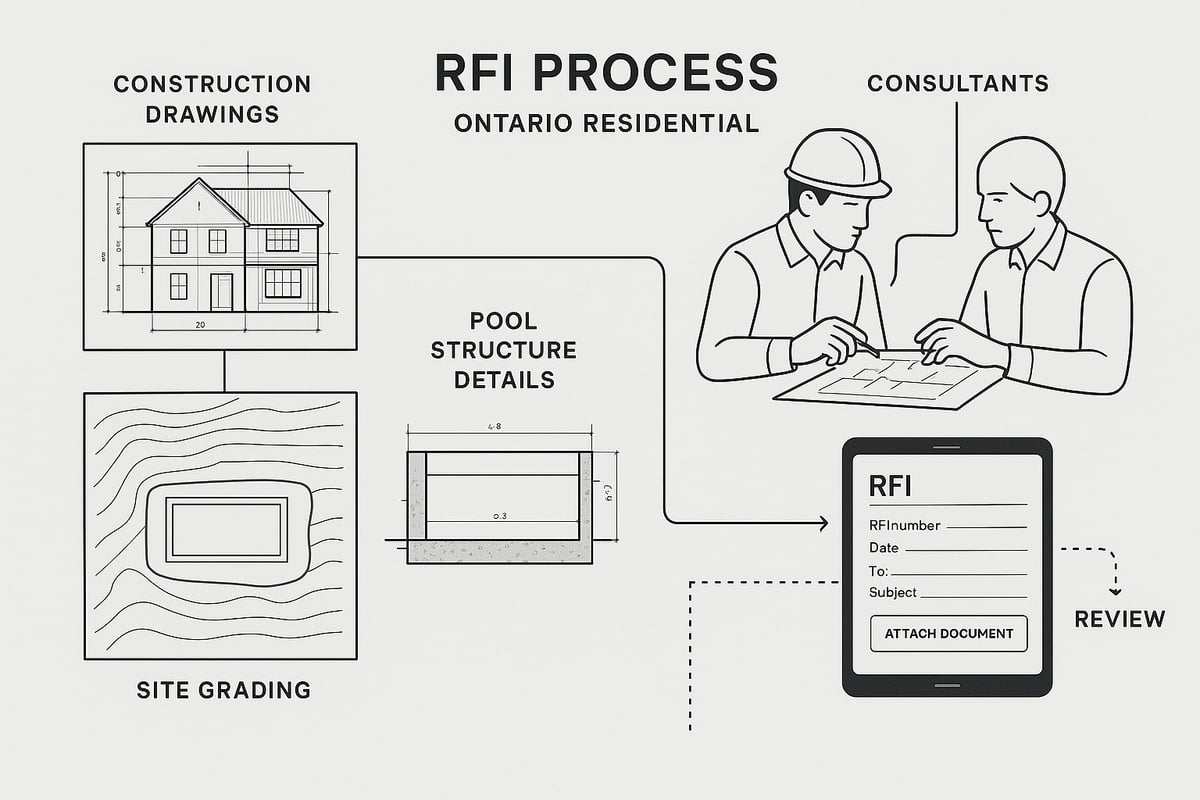
The first step in any project management rfi is recognizing when clarification is needed. Triggers often include unclear construction drawings, site conditions that conflict with approved plans, or ambiguous municipal by-law requirements. Early detection is crucial. Spotting a grading conflict between a landscape architect’s plan and city requirements, for example, can prevent major downstream issues.
Proactive communication among homeowners, architects, and trades is essential. Regularly reviewing design drawings and specifications with all stakeholders helps surface questions before they escalate, keeping complex projects on schedule.
A well-prepared RFI includes:
Keep each RFI concise and focused on one topic. This streamlines tracking and ensures timely responses. Attachments should provide context and evidence, making it easier for the reviewer to understand and resolve the issue quickly.
Once submitted, the project management rfi enters the review chain. Designers, engineers, or the general contractor respond based on the RFI’s subject. Tracking response deadlines is vital to avoid schedule impacts. Distribute responses to all affected parties, such as trades and consultants, so everyone stays informed.
Formal documentation is mandatory. Keep a comprehensive log for project records and future dispute resolution. For example, a clear RFI response clarifying pool waterproofing details can save thousands by preventing rework later.
A complete, well-structured project management rfi is the cornerstone of smooth communication and risk mitigation in Ontario’s premium residential construction. Missing details or unclear requests can stall permits, disrupt schedules, and inflate costs.
Key Elements for Every Project Management RFI:
Clarity is critical. Use plain language and avoid jargon so homeowners, architects, and trades all understand the request. Limit each project management rfi to one question to streamline review and response, reducing confusion.
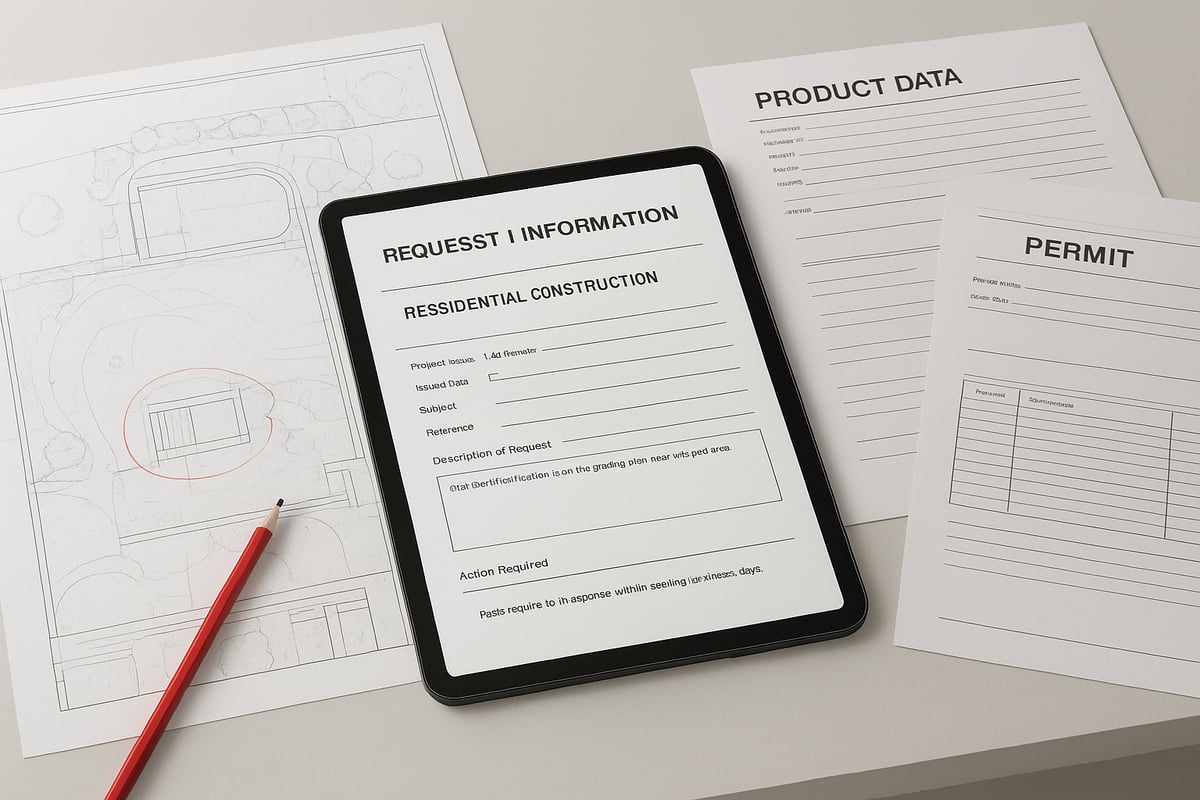
Always attach supporting documentation. For example, when requesting approval for an alternative pool cover due to supply chain disruptions, include the product datasheet and any correspondence with suppliers or municipal staff.
Set realistic deadlines, prioritizing RFIs that impact critical path activities. Establish a unique numbering system for large projects, making it easy to track outstanding and resolved items.
Well-prepared RFIs not only speed up approvals and reduce misunderstandings, but also align with a robust Construction Risk Management Plan, protecting your project from costly surprises.
Mismanaged RFIs are a major pain point in Ontario’s premium residential construction. Unnecessary or unclear RFIs can create confusion, add costs, and lead to project delays. As project complexity increases, so does the need for a robust project management rfi process, especially for custom pools and landscapes.
On average, a high-end project generates about 9.9 RFIs per $1 million of construction value (Autodesk). Each project management rfi can cost over $1,000 in time and resources, quickly impacting budgets and schedules if not managed with discipline.
Municipal review cycles and conservation authority clarifications often slow down responses in Ontario. For example, a missed detail in pool permit drawings might trigger multiple RFIs, causing cascading delays. Proactive project management rfi practices help minimize these reactive issues and keep complex builds on track.
To avoid these pitfalls, invest in early, coordinated planning with all consultants. Hold regular RFI review meetings to keep logs current and prioritize urgent items. Well-managed RFIs preserve relationships between homeowners, architects, and trades, ensuring quality results and smooth project delivery.
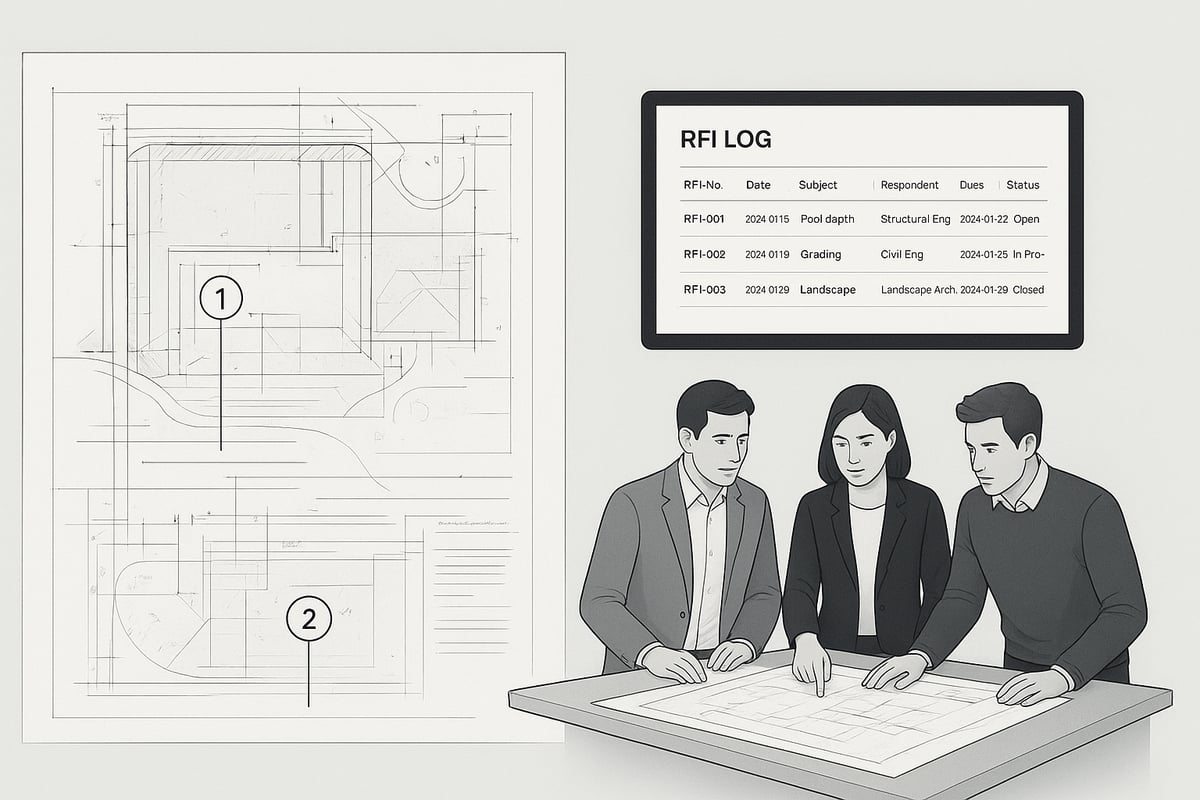
Ontario’s premium residential construction landscape is rapidly adopting digital solutions for project management rfi workflows. The days of tracking RFIs by email or paper are quickly fading as projects demand more structure, transparency, and speed.
Cloud-based platforms now centralize RFI logs, allowing all parties to track submissions, responses, and deadlines in real time. Automated reminders help prevent bottlenecks, while mobile access enables trades and consultants to submit or review RFIs directly from the site.
Integration with permitting and project management software is transforming how documentation flows between homeowners, architects, and builders. With a streamlined project management rfi process, teams can attach marked-up plans, as-built photos, or revised grading documents—ensuring every detail is accessible and traceable.
Digital systems also promote compliance with Ontario’s Tarion warranty, municipal by-laws, and conservation authority requirements. Instant access to the latest responses reduces confusion, disputes, and the risk of costly errors.
As construction costs are projected to rise by 2.4% in 2026, according to expert analysis, efficient RFI management is no longer optional. Data-driven insights from digital platforms help teams monitor response times, identify recurring issues, and drive continuous improvement—protecting both design integrity and project budgets.
Ontario’s premium residential construction sector is entering an era of unprecedented scale and complexity, as BuildForce outlines $200B in Ontario ICI projects over five years. For every homeowner, architect, or builder, mastering project management rfi strategies is essential to protect budgets, design intent, and timelines.
Successful project management rfi workflows begin before shovels hit the ground. Invest in detailed, construction-ready plans that integrate grading, pool, and landscape designs. Host pre-construction meetings with all consultants to identify ambiguous details and resolve them before permit submission.
For example, aligning pool, grading, and planting plans from the outset minimizes change orders and delays. Early coordination ensures every by-law, conservation guideline, and client preference is addressed, reducing the risk of downstream RFIs.
Clear, actionable project management rfi templates are non-negotiable. Use checklists to confirm each RFI includes context—such as marked-up plans, site photos, and code references—so responses are quick and precise.
Assign an accountable owner to every RFI and set realistic deadlines. This builds trust and keeps consultants, trades, and clients aligned. For example, a landscape architect clarifying native planting requirements for conservation approval ensures smooth permitting and prevents costly missteps.
RFI logs are powerful tools for coordinating trades like pool builders, landscapers, and electricians. Sequence RFIs to match project milestones, avoiding work stoppages and confusion.
Comprehensive documentation supports warranty, Tarion compliance, and future renovations. Regular reviews of open RFIs help prevent bottlenecks, keeping your project on track and relationships strong.
If you’re ready to take the guesswork out of RFIs and keep your premium residential project on track, it’s time to put best practices into action. At Solid Plan, we understand how crucial clear communication and proactive planning are for complex builds like custom landscapes, pools, and full-scale home renovations. You deserve a partner who advocates for your vision, manages every detail, and safeguards your investment from costly delays. Let’s make your 2026 project a success—reach out to discuss your plans and see how expert RFI management fits into your construction journey.
Book a Consultation