In 2026, delivering a complex project in Ontario’s high-end residential sector is more demanding than ever. Homeowners and professionals face rising expectations, intricate by-laws, and tight timelines that can threaten even the best-laid plans.
This guide reveals how to achieve predictable, premium outcomes in any complex project. We blend proven management frameworks with real Ontario construction challenges, ensuring every step—from vision to completion—is clear and actionable.
Discover what truly defines project complexity, the latest planning and coordination strategies, and how expert oversight keeps your investment protected. Ready to master your next build? Explore the expert-driven approach that sets the standard for success.
In 2026, project complexity in Ontario residential construction blends structural and dynamic factors—think shifting regulations, evolving stakeholder demands, and technical challenges. The Cynefin framework helps distinguish between types of complexity, allowing project teams to identify when a process is simple, complicated, complex, or chaotic.
Core sources of complexity in premium residential projects:
Below is a quick comparison of project types:
| Project Type | Definition | Ontario Example |
|---|---|---|
| Simple | Linear, predictable, few variables | Standard fence installation |
| Complicated | Multiple steps, experts needed | Custom deck with engineered footings |
| Complex | Interdependent, evolving factors | Multi-phase pool and landscape build |
| Chaotic | No clear path, high uncertainty | Emergency remediation after a flood |
Ontario-specific examples of complex project delivery include:
As the number of stakeholders, custom design elements, and site constraints increase, so does the risk profile of a complex project. According to industry findings, more than 60 percent of complex builds in Ontario experience significant delays or budget overruns without expert planning. For a deeper dive into what makes a construction project complex, see Complexity of a Project in Construction.
Systematic management is not optional for high-value residential construction—it's essential for protecting your investment and design intent.
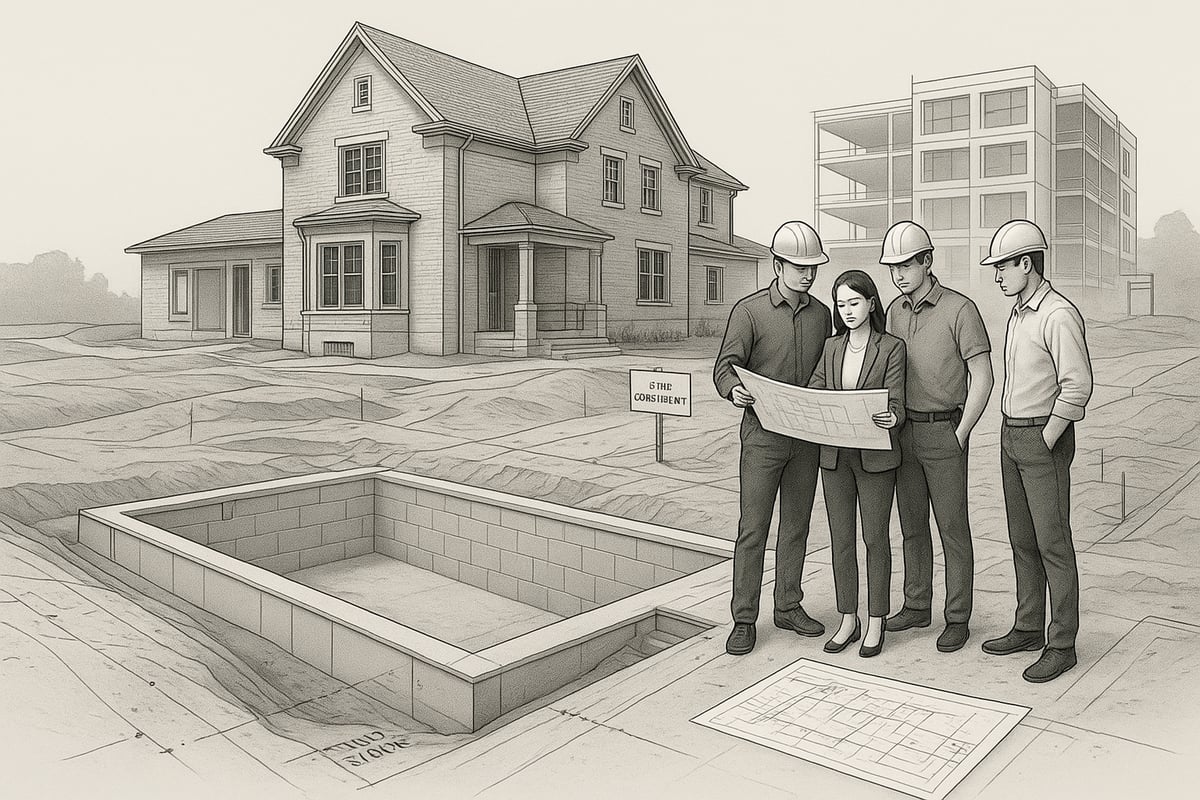
Establishing a strong foundation is essential for any complex project in Ontario’s high-value residential sector. Success hinges on strategic planning, detailed documentation, and seamless coordination among all parties. Each step in the process must safeguard the client’s vision and investment from the start.

The earliest phases of a complex project are where success is truly determined. Aligning the vision among homeowners, architects, landscape architects, and trades prevents costly changes later.
Ontario’s regulatory landscape is intricate, with zoning, conservation authority, and permit requirements that can halt progress if not addressed upfront. For instance, pre-construction grading and drainage plans are crucial in pool and landscape builds, helping avoid rework and delays.
Projects that invest in thorough planning experience 30 percent fewer change orders. For more Ontario-specific insights into the unique challenges of these projects, see Pools and Landscape Project Challenges. Early alignment ensures your complex project stays on track from the very beginning.
Detailed construction drawings are the backbone of any complex project. These documents capture every design nuance, ensuring that sequencing, budgeting, and trade coordination are accurate and reliable.
Quality documentation allows for transparent tendering, letting you obtain precise pricing from qualified trades. Missing or vague details, especially in landscape drawings, can delay pool construction by months and inflate costs.
A robust set of plans protects the original vision all the way to completion. When every detail is documented, the complex project moves forward predictably, minimizing surprises and ensuring premium results.
Delivering a premium complex project in Ontario demands meticulous sequencing, scheduling, and trade coordination. Each phase must align perfectly, or risk costly ripple effects that undermine quality and timelines.

A complex project requires mapping every dependency. Grading must finish before the pool shell is set, and utilities must be laid ahead of hardscape installation. Missing a step can halt progress and push schedules off track.
Gantt charts and advanced project management tools provide transparent sequencing. These tools help visualize timelines and highlight bottlenecks, such as waiting for city inspections or hydro locates. In the GTA, coordinating municipal reviews is essential to avoid unnecessary downtime.
Lead times for custom materials add another layer of complexity. Sequencing errors are the most common cause of delays in custom Ontario builds. For deeper insights into managing these challenges, review Financial and Project Management Insights.
Collaboration is the backbone of any successful complex project. Designers, engineers, trades, and owners must stay aligned to prevent miscommunication and scope gaps.
Regular site meetings and digital platforms ensure all parties receive real-time updates. These touchpoints help resolve design versus construction realities, manage change orders, and keep everyone focused on the project vision.
A proactive approach bridges the gap between disciplines, such as coordinating pool builders and landscapers to avoid costly rework. Ultimately, the project manager serves as the architect of the build process, guiding each stakeholder toward a seamless outcome.
Effective risk management is the backbone of any complex project, especially in Ontario's high-value residential construction sector. Identifying different types of complexity—positive, requisite, and negative—allows teams to leverage opportunities while mitigating threats that could derail timelines or budgets.
Budgeting for contingencies is essential. Allocating realistic allowances for unknown site conditions, unpredictable weather, and evolving regulatory requirements protects both the client and the vision. Inadequate planning can lead to cost escalation, as seen in Toronto-area projects where unforeseen soil remediation quickly inflates budgets.
A robust risk management plan, such as those detailed in this Construction Risk Management Plan, is critical for any complex project. These plans help reduce change orders and client surprises by establishing transparent controls from the outset.
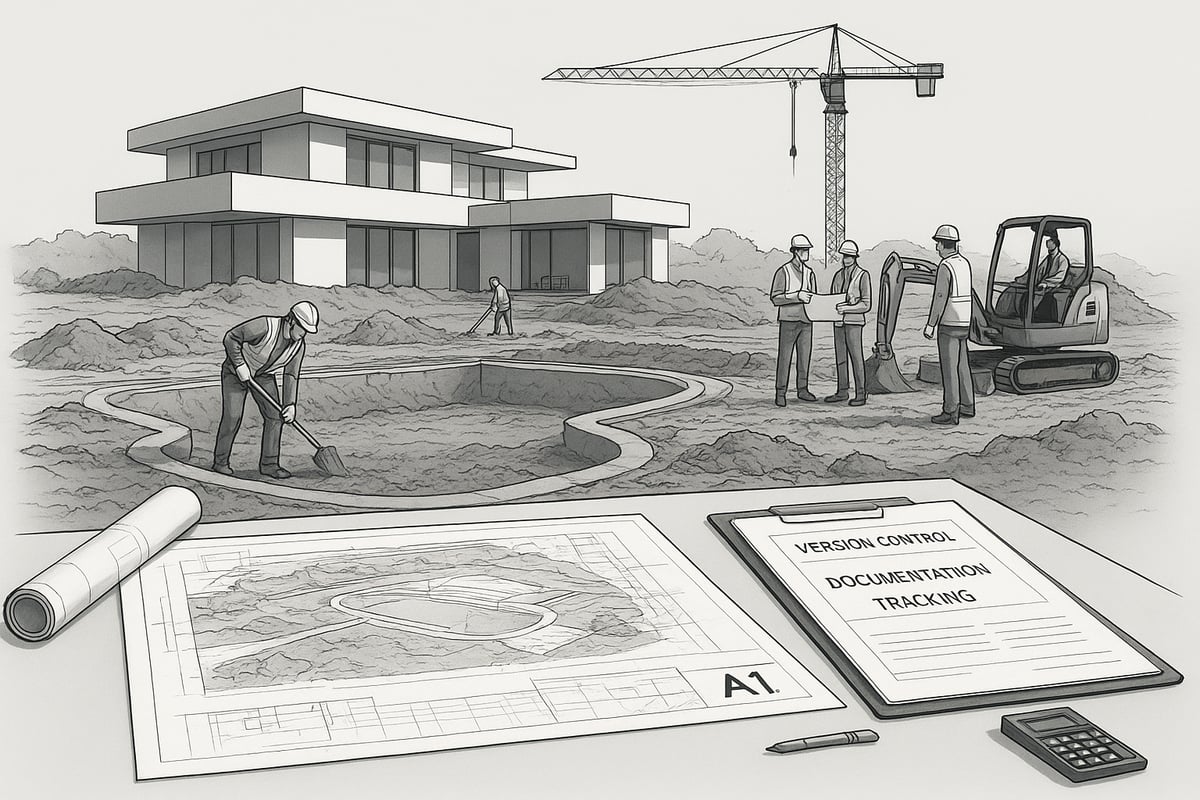
Industry data reveals that 80% of budget overruns are linked to poor risk identification. Implementing version control and diligent documentation tracking ensures every decision is recorded, supporting transparency and accountability.
Continuous monitoring and adaptive response strategies are vital. By proactively addressing risks and maintaining open communication, premium residential builds in Ontario can avoid costly overruns and ensure predictable, high-quality outcomes.
Solid Plan stands at the center of every complex project, acting as the calm, technical layer that brings structure and predictability to Ontario’s most ambitious residential builds. Serving as the single point of accountability, we guide homeowners, architects, and builders through every step, from vision to completion.
Our approach begins with meticulous planning, detailed construction drawings, and thorough sequencing. This ensures that all design intent is protected and that trade coordination happens seamlessly. By managing grading, municipal permits, and by-law compliance, we eliminate costly surprises and keep premium projects moving forward.
For example, on a recent multi-phase estate project in the GTA, our team delivered a landscape with integrated pool, outdoor kitchen, and challenging grading. Early planning and precise documentation allowed us to anticipate site constraints, coordinate city inspections, and maintain the client’s investment and vision.
We advocate for our clients throughout, navigating Ontario’s approval processes and proactively addressing risks. For deeper insight into strategies that reduce project risk and streamline municipal approvals, see Risk management strategies in Toronto construction.
By combining technical expertise with relentless attention to detail, Solid Plan ensures every complex project achieves predictable, high-quality results. This is why premium residential construction in the GTA demands an architect of the build process.
Ontario’s construction landscape is embracing rapid digital transformation. Today’s premium projects demand sophisticated Gantt charts, real-time dashboards, and automated workflows to track every detail. AI-driven scheduling and predictive analytics help project managers anticipate delays, optimize resource allocation, and react to shifting priorities. With construction price volatility on the rise, staying informed about Ontario's non-residential construction price trends is crucial for effective planning and budgeting across any complex project.
Continuous learning is now a hallmark of successful project delivery. Leading firms conduct rigorous post-project reviews, implement feedback loops, and refine processes for future builds. Sustainability and accessibility are front and center, driving compliance with Ontario’s evolving regulations. Automation streamlines permitting and inspections, while collaboration with architects and landscape designers ensures holistic outcomes. True mastery of the complex project environment requires both technical expertise and adaptive leadership, supported by insights from mastering risk management in construction contracts to anticipate and manage evolving risks.