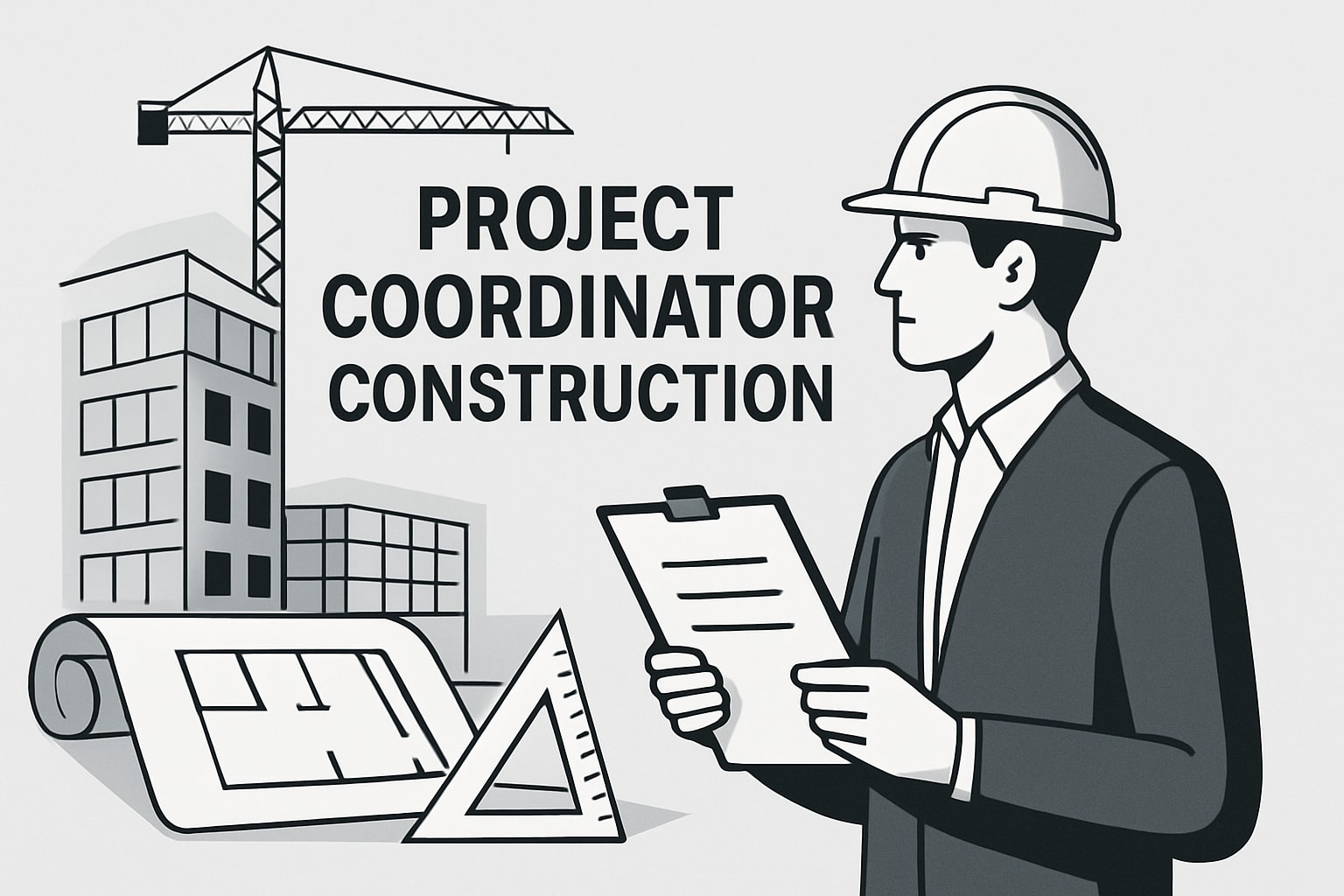
Imagine planning a high-end pool or landscape project in Ontario for 2026. The scope is larger, regulations are stricter, and even the smallest misstep can lead to costly delays. For homeowners, architects, and builders, the difference between a smooth build and a stressful one often comes down to expert project coordinator construction.
Without precise coordination, premium residential projects risk budget overruns, design compromises, and approval setbacks. This guide explores how the project coordinator construction role has become the linchpin of successful, high-quality builds. Discover the evolving skills, daily responsibilities, and strategies needed to deliver outstanding results in Ontario’s demanding construction environment.
Ontario’s construction landscape is rapidly changing. Projects are more complex than ever, with new building materials, sustainability requirements, and municipal by-laws shaping every step. Premium residential, landscape, and pool construction especially demand advanced planning and coordination to meet client expectations and regulatory standards.
Integrated project delivery and collaborative design-build models are now the norm. These approaches require the project coordinator construction professional to manage not only technical details but also administrative processes. Digital tools like BIM and advanced project management software streamline documentation, communication, and approvals. Coordinators must be fluent in these platforms to keep projects moving.
The unique challenges of high-end outdoor spaces—such as grading, drainage, and intricate permitting—make expert coordination indispensable. In fact, over 90% of Ontario projects now require a dedicated project coordinator construction specialist to navigate regulatory and design complexities. This shift is transforming the coordinator from a simple administrator into the architect of the build process.
To illustrate, imagine a multi-trade team tasked with building a luxury pool and landscape in the GTA. The coordinator must align designers, engineers, and specialty trades, sequencing every stage to prevent costly errors or delays. For a deeper look at the realities and demands of this evolving role, see Coordinating complex construction projects.
Trends and Responsibilities Table
| Industry Trend | Coordinator Responsibility |
|---|---|
| Increased project complexity | Technical and administrative management |
| New materials and sustainability | Integration with design and build teams |
| Tighter Ontario regulations | Permitting, compliance, documentation |
| Digital project management | BIM, software for real-time updates |
| Premium outdoor/landscape features | Grading, sequencing, multi-trade coordination |
The modern project coordinator construction expert is the essential link between vision and reality, ensuring every detail is managed from concept to completion.

In Ontario’s high-end residential and outdoor construction, the project coordinator construction role is the linchpin that keeps complex projects on track. Coordinators are responsible for transforming detailed construction drawings into reality, ensuring every phase aligns with the approved vision and meets strict local standards.

| Responsibility | Description |
|---|---|
| Plan Execution | Oversee build-ready plans and site implementation |
| Design Coordination | Align architects, landscape architects, and trades |
| Permitting & Compliance | Navigate Ontario by-laws and approval processes |
| Scheduling & Sequencing | Develop timelines and manage tendering |
| Budget & Risk Management | Control costs, prevent overruns, address risks |
| Quality Assurance | Ensure adherence to drawings and standards |
| Communication & Conflict Resolution | Facilitate updates and solve stakeholder disputes |
A project coordinator construction expert ensures every detail from architectural vision to landscape grading is executed flawlessly. This means translating design intent into actionable steps for each trade, and verifying that grading, pool placement, and outdoor features meet both technical and aesthetic expectations.
Managing permits and compliance with Ontario’s evolving by-laws is crucial. Coordinators handle municipal submissions, conservation authority requirements, and approvals, keeping projects moving without costly standstills. They also sequence trades and manage tenders, establishing clear budgets and proactively tracking costs. Risk management is vital at this stage—Solid Plan follows construction risk management strategies to help avoid budget blowouts and delays.
Maintaining quality is non-negotiable. Coordinators oversee on-site work, ensuring it matches construction drawings and specifications. When changes arise—such as client-driven revisions or unforeseen site conditions—the project coordinator construction role is to manage change orders swiftly, resolve conflicts, and protect both the budget and the original design.
For example, on a custom home addition, effective coordination of design updates, trade input, and cost tracking can prevent overruns and maintain client trust. Early planning and meticulous documentation remain the best defense against costly surprises.
A successful project coordinator construction professional is the cornerstone of seamless high-end builds in Ontario. These experts must possess a unique blend of technical expertise, communication skills, and digital fluency to deliver premium residential, pool, and landscape projects on time and within budget.

Exceptional communication is non-negotiable for every project coordinator construction role. Coordinators must bridge gaps between homeowners, architects, landscape architects, and specialized trades. Effective negotiation and leadership ensure that every stakeholder is aligned, reducing misunderstandings and keeping premium projects moving forward.
Organizing regular site meetings and clear documentation helps resolve conflicts before they escalate. The ability to foster trust and maintain transparency is critical throughout the build process.
Technical proficiency sets the best project coordinator construction professionals apart. Reading and interpreting complex construction and grading plans is essential, especially for Ontario’s intricate outdoor and pool builds. Strong organizational skills allow coordinators to juggle multiple approvals, timelines, and evolving documentation with precision.
Problem-solving is at the core of the role, as coordinators address unexpected site challenges and design changes. For deeper insights into budgeting, scheduling, and risk management, explore these financial and project management insights.
Digital literacy is now a baseline requirement for project coordinator construction experts. Familiarity with Ontario-specific project management platforms and digital permitting tools streamlines reporting and compliance.
For example, leveraging software like PlanRadar enables coordinators to track milestones, document progress, and communicate updates in real time. In fact, 91 percent of coordinators report greater efficiency when using dedicated digital tools, ensuring premium projects avoid costly delays or change orders.
Complex Ontario projects demand a precise, phased approach. A project coordinator construction expert orchestrates every stage, protecting design intent while navigating approvals, budgets, and on-site realities.

Every successful project coordinator construction process starts with thorough site analysis. Technical review of grading, drainage, and municipal by-laws ensures the design matches Ontario’s strict requirements.
Detailed construction drawings are prepared, reflecting both client vision and regulatory standards. Permitting is managed proactively, reducing the risk of future delays or compliance issues.
Early planning in this phase prevents costly change orders and keeps premium projects on track.
The project coordinator construction specialist prepares comprehensive tender packages and manages competitive bidding. This ensures the right trades are selected for each aspect, from pool excavation to landscape finishing.
Budgeting is handled with precision, tracking costs and sequencing trades for efficient workflow. For more on premium pool and landscape coordination, see Pools and landscape project coordination.
Clear communication at this stage helps maintain design quality and prevents budget blowouts.
On-site, the coordinator supervises all work, ensuring plans are followed exactly. Regular inspections identify deficiencies early, while diligent documentation supports transparent progress tracking.
Stakeholders receive timely updates, allowing rapid resolution of issues and keeping the project aligned with expectations.
The digital revolution is reshaping project coordinator construction roles in Ontario, especially for premium pools, landscapes, and custom homes. Advanced technologies now drive every stage, from design to build, making early planning and precise execution more critical than ever.
Today’s coordinators rely on Building Information Modeling (BIM) for seamless transitions between design, construction drawings, and on-site execution. BIM enables instant plan updates, clash detection, and precise grading adjustments to prevent costly errors. Ontario-specific project management platforms, such as PlanRadar, streamline documentation, tendering, and real-time communication with trades.
Digital permit tracking tools are now essential for navigating strict Ontario by-laws and municipal approvals. Mobile apps empower coordinators to document site progress, manage punch lists, and ensure quality control—even when teams are remote. According to industry data, 91% of coordinators see greater efficiency with dedicated software solutions.
| Tool Type | Purpose | Ontario Application |
|---|---|---|
| BIM Platforms | Design coordination, clash detection | Grading, pool, and landscape |
| Project Management | Scheduling, documentation, tendering | By-law compliance, approvals |
| Digital Permit Tools | Track permits, regulatory status | Municipal/CA approvals |
| Mobile Apps | Site reporting, QA, punch lists | Remote team coordination |
Cloud-based platforms are revolutionizing how project coordinator construction professionals manage multiple teams and approvals. As highlighted in AI and Digital Twin Adoption in Construction, digital twins and AI-driven tools further boost coordination, risk prediction, and overall project oversight. For a deeper dive into digital workflow trends, see Construction Project Management Trends in 2026.
Adopting these technologies is no longer optional for premium Ontario projects. It is the foundation for quality, compliance, and the seamless delivery that Solid Plan is known for.
Ontario’s premium residential and outdoor builds demand a project coordinator construction expert who can steer through unique local hurdles. Grading and drainage must be managed precisely, especially for luxury landscapes and pools where elevations and water movement are critical.
Navigating municipal permits and conservation authority requirements adds another layer of complexity. Coordinating architects, landscape designers, and specialty trades is essential to maintain design intent and project momentum. Strict compliance with Ontario building codes and environmental standards is non-negotiable.
Early planning, meticulous documentation, and proactive communication are key. For example, overcoming a permit delay on a custom outdoor living space often hinges on thorough pre-planning and clear submission packages.
As you’ve seen, navigating Ontario’s premium construction landscape in 2026 demands more than just technical know-how—it takes a proactive approach, meticulous coordination, and a deep understanding of evolving regulations and design complexities. Whether you’re a homeowner, architect, or builder, having a dedicated project coordinator like Solid Plan by your side can make all the difference in achieving on time, on budget, high quality results. If you’re ready to bring clarity and confidence to your next project, let’s start the conversation.
Book a Consultation