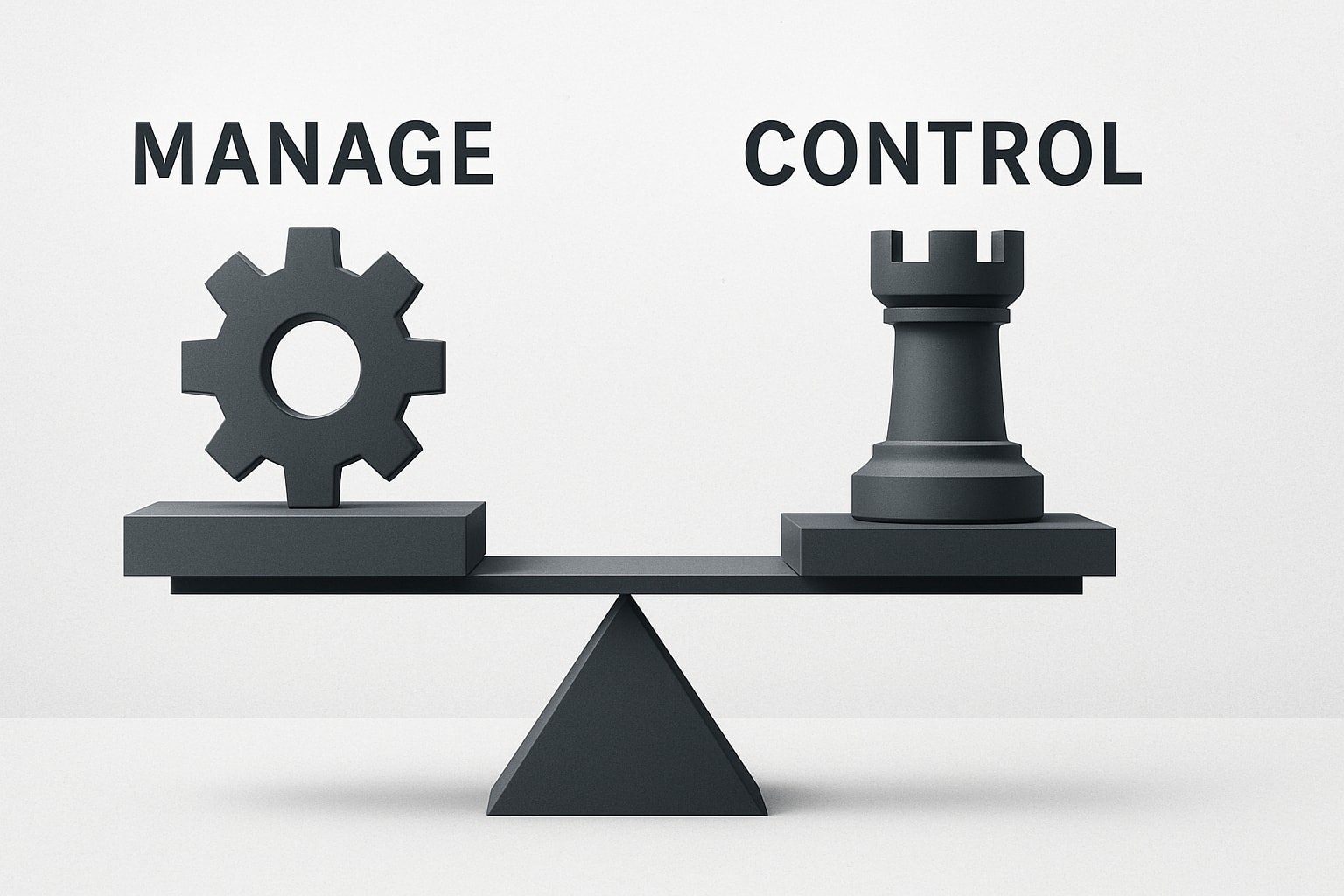
In the world of premium residential construction, the terms manage and control are often used as if they mean the same thing. Yet, these concepts have distinct meanings that shape the outcomes of every landscape, pool, or outdoor living project in Ontario.
As we look ahead to 2026, knowing when to manage and control is essential for homeowners, architects, and builders navigating complex approvals, strict by-laws, and high client expectations. The difference is more than just words—it defines how projects are planned, coordinated, and protected from costly surprises.
This article will break down the real differences, show when to apply each approach, and help you deliver projects with confidence. Read on to see how manage and control can transform your results.
Understanding the difference between manage and control is essential for premium construction projects in Ontario. The roots of “manage” come from the Italian “maneggiare,” meaning to handle or direct, while “control” is derived from the Latin “contra rotulus,” signifying checks and regulation. Today, these terms shape how teams coordinate, build, and deliver complex landscapes and pools.
Below is a table summarizing their core distinctions:
| Aspect | Manage | Control |
|---|---|---|
| Definition | To coordinate, facilitate, and optimize people, processes, and resources toward a goal | To monitor, direct, and regulate actions or outcomes using constraints or corrective actions |
| Nature | Adaptive, ongoing, collaborative | Corrective, regulatory, compliance-focused |
| Typical Use | Team leadership, sequencing, budgeting, planning | Cost tracking, inspections, enforcing standards |
| Example | Managing a project team to align design intent | Controlling project costs to prevent overruns |
In construction, manage and control are often applied together. For instance, managing a design team means facilitating collaboration, while controlling grading ensures regulatory compliance. Management is about doing and executing, adapting as site conditions or client needs change. Control focuses on monitoring progress and making adjustments to stay on track, especially with Ontario’s strict by-laws.
As outlined in Management Vs. Control: Definitions & Key Differences, management is the engine that drives progress, while control is the checkpoint that keeps quality and compliance in line. Recognizing when to manage and when to control is key to delivering successful, high-end projects with Solid Plan.

In premium construction projects, the way you manage and control teams directly affects autonomy, authority, and project culture. Management preserves autonomy, encouraging collaboration, delegation, and empowerment among architects, homeowners, and trades. By contrast, control reduces autonomy, prioritizing compliance, strict standards, and enforcement.
| Manage | Control | |
|---|---|---|
| Approach | Empowers, delegates, adapts | Directs, enforces, regulates |
| Team Impact | High morale, creativity | Predictability, compliance |
| Ontario Example | Managing a design team’s creative process | Controlling site access for safety and by-law adherence |
Effective manage and control strategies shape how teams work together on complex builds in Ontario. For example, managing trade schedules for a backyard pool project fosters accountability and innovation. Controlling grading and drainage, however, is about enforcing municipal requirements and protecting safety.
Industry surveys in 2025 show that empowered teams report up to 20 percent higher satisfaction. The right balance between autonomy and authority is essential for project success. Leadership style matters—studies on the impact of leadership styles on project efficiency confirm that how you manage and control influences both morale and outcomes.
Ontario’s construction landscape demands both flexibility and rigor. Adaptive management is vital for navigating changing by-laws, while strict control ensures code compliance. In every phase, striking the right balance sets the tone for project excellence.

In high-value Ontario construction, the methods and tools you choose to manage and control directly shape project success. Understanding where each approach excels ensures your project stays on track, within budget, and true to design.

Effective management starts with clear planning, sequencing, and aligning all stakeholders. Solid Plan’s process involves detailed construction drawings, thorough tendering, and precise budgeting, all tailored for Ontario’s regulatory landscape.
For example, managing a complex pool build in the GTA requires harmonizing the architect’s vision with trade schedules, site conditions, and municipal approvals. Early planning helps prevent change orders and costly delays, making manage and control strategies essential from day one.
To dive deeper into financial tools and progress tracking, explore financial and project management insights for premium projects.
Control is about vigilance. Progress is tracked through site inspections, checklists, and strict budget controls. Meeting Ontario’s municipal grading and drainage requirements demands close monitoring and rapid corrective action whenever deviations occur.
Grading errors or material overages are quickly flagged and addressed, ensuring the project remains compliant and safe. Here, manage and control efforts overlap, using feedback loops to maintain both quality and efficiency.
Premium residential projects depend on both management and control. Sequencing trade schedules is a management task, while enforcing site safety protocols is pure control.
The best outcomes come when these methods work together, allowing teams to adapt, solve problems early, and deliver on time with no surprises.
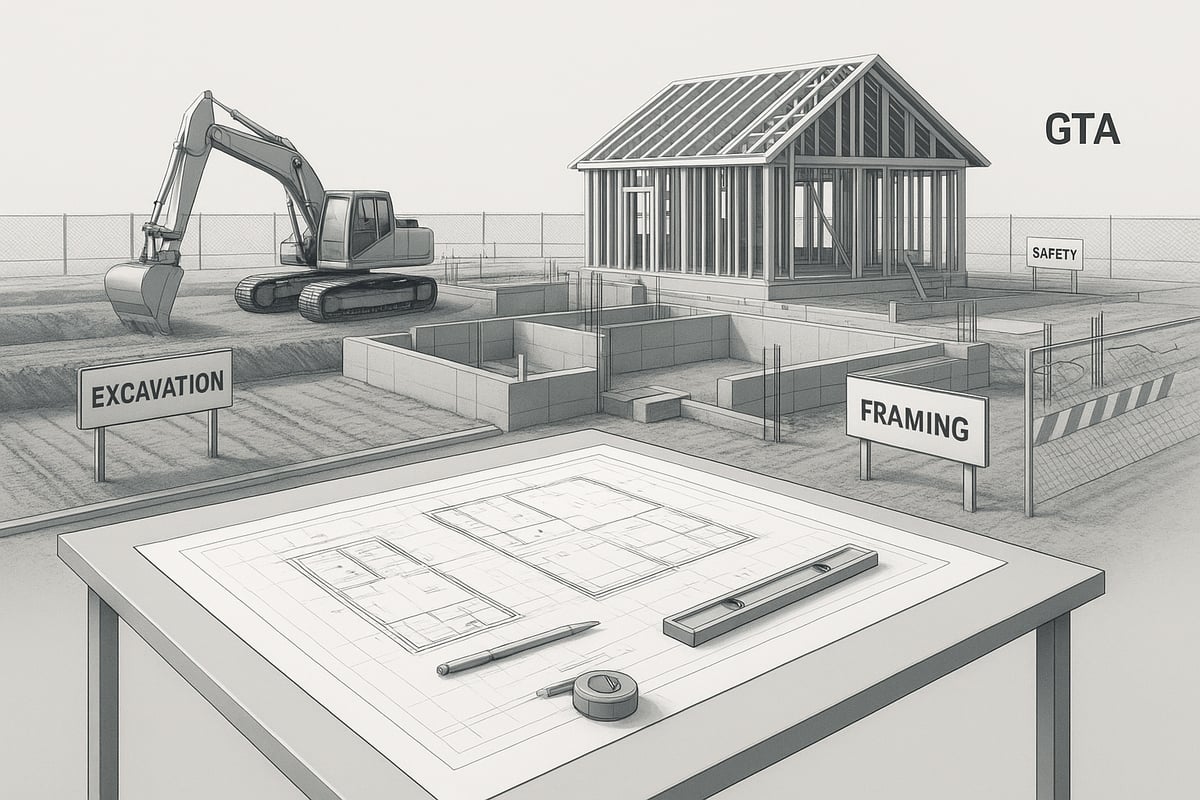
The way you manage and control a construction project directly shapes its quality, budget, and timeline. For premium landscape and pool builds in Ontario, early planning and clear coordination are essential to avoid costly surprises. A thoughtful blend of management and control practices protects design intent and ensures projects stay on track.
Impact Table: Manage and Control in Project Outcomes
| Aspect | Management Focus | Control Focus |
|---|---|---|
| Quality | Protect design intent | Enforce standards, inspections |
| Budget | Early budgeting, tendering | Monitor costs, prevent overruns |
| Timelines | Sequence trades, avoid downtime | Regulate progress, corrective action |
Permitting delays, unpredictable weather, and complex site conditions are common in the GTA. Managing sequencing helps avoid downtime when waiting for approvals or dealing with rain. Controlling material usage, through checklists and inspections, prevents waste and budget blowouts.
Recent GTA construction data shows projects with robust manage and control systems experience 30% fewer change orders. By integrating management and control early, teams resolve issues proactively rather than reacting to problems later. The Project Monitoring & Controlling Phase is critical in maintaining alignment between project goals, budgets, and timelines.
Ultimately, early management reduces the need for reactive control measures. The most successful projects use a tailored approach, blending both manage and control strategies from concept to completion.
In high-end residential construction, knowing when to manage and control is essential to project success. The right approach depends on project phase, risk, and complexity. A clear framework helps determine which strategy to emphasize at each stage.
Decision Framework Table
| Scenario | Manage Approach | Control Approach |
|---|---|---|
| Landscape Design-Build | Coordinate designers, plan sequencing | Monitor budgets, adjust timelines |
| Pool Construction & Inspections | Schedule trades, manage documentation | Enforce tolerances, ensure compliance |
| Ontario Permit Process | Prepare and submit documents | Oversee regulatory adherence |
Scenario 1: Managing a Landscape Design and Build
For a luxury landscape project, Solid Plan leads with management: coordinating architects, landscape designers, and trades from concept through completion. We plan grading, tendering, and sequencing to ensure every detail aligns with the client’s vision. Early planning and open communication prevent costly change orders and delays.
Scenario 2: Controlling Pool Construction and Inspections
When constructing a custom pool, strict control is crucial. This includes regulating tolerances, enforcing municipal inspection requirements, and ensuring all phases meet Ontario’s by-laws. Tools like checklists and site access logs maintain compliance. For more on effective risk and control practices, see Construction risk management strategies.
Flexibility and Balance
Premium projects demand the flexibility to shift between management and control. Managing documentation and coordinating teams is vital for permit approvals, while controlling compliance protects timelines and quality. Over-controlling can stifle innovation, but under-managing leads to confusion. The most successful projects blend both approaches, ensuring that manage and control are used where they add the most value.
The landscape of manage and control is shifting rapidly for Ontario’s high-end construction sector. Forward-thinking firms are embracing both proven processes and cutting-edge solutions to deliver exceptional results for complex projects in the GTA.
Technology is revolutionizing how teams manage and control premium construction projects. Digital project management tools, BIM, and advanced scheduling software now streamline sequencing and coordination across trades. Real-time monitoring and remote inspections help ensure compliance with Ontario’s strict by-laws and municipal requirements.
Integrated platforms allow firms to unify planning, budgeting, and site oversight, reducing delays and change orders. As project complexity grows, leaders turn to resources like Project complexity and management to guide their adoption of new technologies and approaches.
A culture that values manage and control is essential for consistent, high-quality results in landscape and pool construction. Leading Ontario firms invest in leadership development, regular training, and active stakeholder engagement to foster collaboration and accountability.
This commitment empowers teams to anticipate challenges, maintain standards, and adapt to evolving project needs. The premium project advantage is clear: predictable outcomes, fewer surprises, and lasting value for homeowners and design partners.
Explore these essential resources for deeper insights into manage and control in Ontario construction and project management:
As you’ve seen, understanding when to manage and when to control can make or break your project’s success—especially in complex, high-end construction. By combining proactive planning with precise oversight, you can achieve outstanding results that truly reflect your vision. If you’re looking to bring clarity, efficiency, and top-tier quality to your next residential or outdoor project, let’s talk about how we can help. Our team at Solid Plan is here to guide you every step of the way, ensuring no detail is overlooked and your goals stay on track.
Book a Consultation