Ontario’s construction management business is entering an era of unprecedented complexity and opportunity, especially for premium homes, landscapes, and outdoor living spaces. In 2026, the consequences of poor management—cost overruns, regulatory setbacks, and compromised quality—are more significant than ever.
This guide is crafted for architects, landscape architects, custom home builders, and discerning homeowners seeking clarity and confidence in the construction management business. Our aim is to provide actionable strategies tailored to Ontario’s unique regulatory, technical, and design landscape.
You will discover how early planning, rigorous quality assurance, precise budgeting, and expert trade coordination can transform project outcomes. With the stakes rising, adopting best practices is essential for achieving predictable, premium results in 2026.
The construction management business in Ontario is undergoing a transformation as we approach 2026. Premium residential and outdoor projects are now defined by tighter regulations, higher client expectations, and a surge in demand for integrated landscapes, pools, and luxury outdoor living. Owners and design professionals must adapt to new realities, where early technical planning and precise grading are central to every successful build.
Regulatory changes are reshaping the landscape. Municipal by-laws, environmental reviews, and conservation authority requirements are more stringent than ever, directly influencing pool and landscape construction. The permitting process has become more complex, with new documentation and compliance standards introduced for 2026. As a result, digital tools and construction-ready plans are not just beneficial—they are essential for achieving predictable outcomes.
The need for skilled professionals in the construction management business is at an all-time high. For example, the average construction superintendent salary in Ontario now exceeds $100,000, outpacing the national average and reflecting the premium on expertise. Complex projects, such as multi-phase landscapes or integrated pool builds, demand advanced oversight and seamless coordination between trades.
Technical proficiency in both planning and execution is now the cornerstone of success. Those who master digital collaboration, detailed sequencing, and proactive risk management are better positioned to deliver high-value projects. For a deeper look at the broader trends shaping Ontario’s construction sector in 2026, see Construction Sector Trends 2026.

Delivering exceptional results in Ontario’s premium construction management business requires a disciplined approach anchored by three foundational pillars. Each pillar addresses unique challenges, from technical planning to quality assurance, ensuring projects stay on track and exceed client expectations.

Early planning is the backbone of every successful construction management business. By engaging architects, landscape architects, and engineers from the outset, teams can prevent costly change orders, delays, and budget risks. Construction-ready drawings and detailed specifications protect design intent and streamline municipal approvals.
In Ontario, early coordination is essential for navigating Conservation Authority reviews and complex grading plans. This proactive approach reduces surprises and lays the groundwork for seamless project execution.
Accurate budgeting is vital in the construction management business, especially for high-end residential and outdoor projects in the GTA. The process begins with clear scope definition and early trade input, minimizing unforeseen expenses.
Competitive tendering and transparent cost tracking keep finances controlled. Contingency planning is crucial for premium builds. For deeper insights on these best practices, see Financial and Project Management Insights. Data shows GTA residential projects often exceed budgets when these steps are overlooked.
Logical sequencing prevents rework and scheduling conflicts, a frequent challenge in Ontario’s multi-phase builds. Effective trade coordination ensures that pool, landscape, and structural teams work in harmony, maintaining high craftsmanship standards.
Continuous on-site quality control and thorough documentation safeguard every detail. Coordinating all trades from start to finish is the key to delivering flawless outcomes and protecting the client’s investment.
Navigating Ontario’s regulatory environment is a defining challenge for any construction management business, especially for high-end residential and outdoor projects. Securing timely approvals is crucial to safeguarding design quality and keeping complex builds on track.

The permit landscape in the GTA involves multiple layers. Projects must comply with municipal zoning by-laws, submit precise grading plans, and often undergo Conservation Authority review. In 2026, new standards—such as those outlined in Ontario's New Building Code 2025—are reshaping application requirements. These changes increase the need for detailed, construction-ready documentation and technical coordination early in the process.
To expedite approvals, successful teams engage authorities early, submit complete, accurate plans, and anticipate requirements for landscape and pool features. Common pitfalls include missing documentation, incomplete grading data, and overlooking jurisdictional overlaps.
Typical Permit Processing Times in GTA Municipalities
| Municipality | Avg. Processing Time (Days) |
|---|---|
| Toronto | 30–45 |
| Vaughan | 40–60 |
| Oakville | 30–50 |
| Markham | 35–55 |
Without a dedicated advocate, even experienced professionals can face costly delays or compliance setbacks. An expert construction management business ensures all regulatory steps are managed proactively, protecting both the project’s vision and investment.
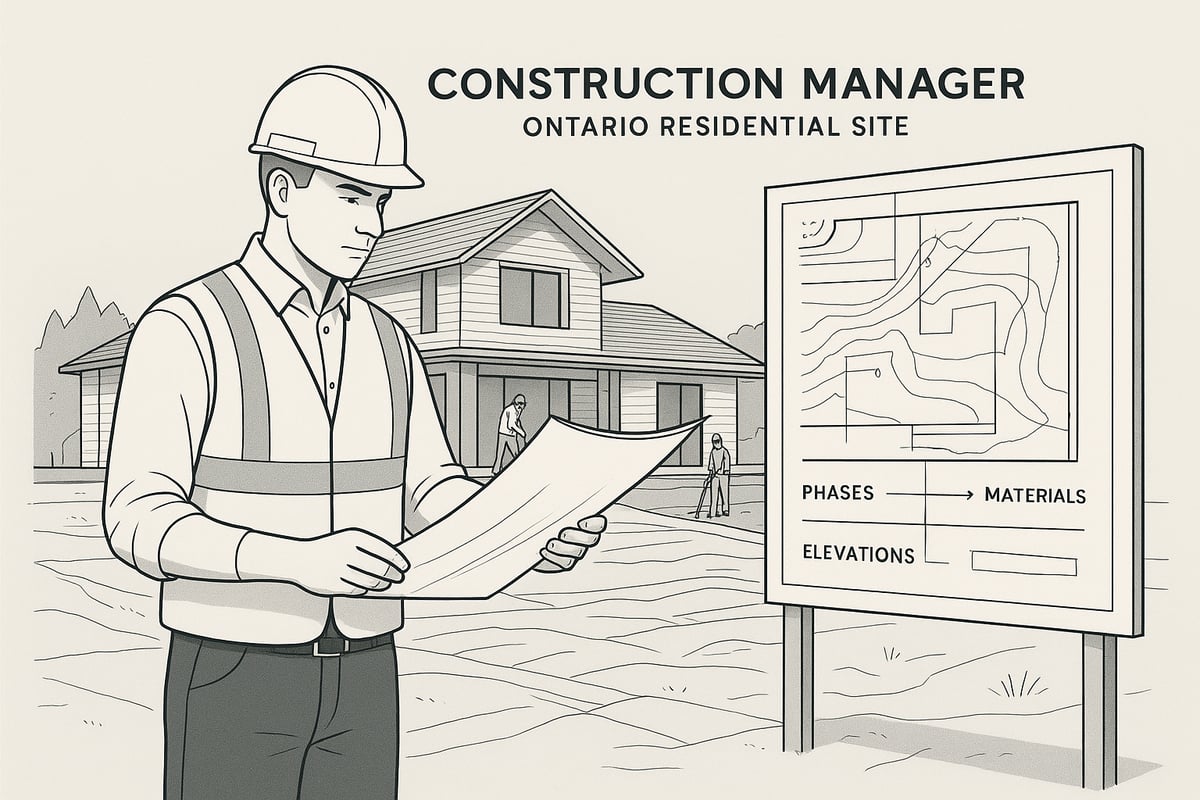
In Ontario’s premium residential and landscape sector, the construction manager acts as the architect of the build process, translating vision into reality through disciplined oversight. This leadership is essential for any construction management business aiming to deliver high-end results without compromise.
A construction manager’s core responsibilities include managing schedules, budgets, and coordinating multiple trades. They serve as the communication hub for homeowners, architects, engineers, and builders, ensuring each party’s needs are addressed while protecting the original design intent.
Ontario projects often span several jurisdictions, each with unique by-laws, grading requirements, and logistical hurdles. Skilled managers navigate these complexities, from conservation reviews to multi-phase landscapes, adapting quickly to evolving site conditions and regulatory expectations.
Advocacy is a defining trait. Construction managers champion the homeowner’s investment, acting as a technical buffer between creative vision and practical execution. Their vigilance reduces costly errors, delays, and misaligned trades, safeguarding both quality and timeline.
Risk mitigation is at the heart of effective construction management business strategy. By employing proven Construction Risk Management Strategies, managers minimize exposure to unforeseen setbacks and ensure project predictability.
As one Toronto architect notes, “Professional oversight turns complexity into clarity. Our best projects are those where a construction manager anticipates and solves problems before they reach site.” Ultimately, investing in experienced management maximizes value, minimizes risk, and guarantees the integrity of every premium build.
Ontario’s construction management business is evolving rapidly, demanding a new level of skill, technical fluency, and adaptability. Delivering premium residential and landscape projects now requires a unique blend of expertise, technology, and ongoing learning. Let’s examine the essentials for staying ahead in 2026.
Success in the construction management business depends on a strong foundation of both technical and managerial abilities. Project leaders must expertly schedule complex builds, create and manage budgets, and negotiate with skilled trades.
Technical literacy is essential—reading construction drawings, understanding grading requirements, and coordinating between architects, engineers, and landscape designers ensures nothing is lost in translation. Effective leadership and transparent client communication keep multi-stakeholder projects aligned and moving forward.
In Ontario, navigating unique site constraints and local by-laws demands a proactive, detail-oriented approach at every stage.
Digital transformation is reshaping the construction management business. Project management software, real-time collaboration platforms, and digital plan review tools are now standard for top-tier firms. These technologies streamline documentation, enhance transparency, and speed up approvals, reducing costly miscommunication.
Ontario’s premium projects benefit from digital solutions that allow all stakeholders to track progress and resolve issues quickly. For complex builds, leveraging insights from resources like Managing Project Complexity in Construction is invaluable for anticipating challenges and optimizing workflows.
Industry leaders consistently adopt digital tools to deliver predictable, high-quality outcomes.
Staying current in the construction management business means ongoing training and certification. Ontario’s regulations and standards evolve, making professional development and resourceful learning essential.
Continuous improvement keeps project teams at the forefront of quality and compliance.
In Ontario’s premium residential and outdoor sector, even minor missteps can derail a complex build. The construction management business faces recurring challenges that threaten budgets, timelines, and quality—especially when stakes are high and expectations are uncompromising.
Common pitfalls in high-end projects include:
Consequences of these issues are severe. GTA data shows that unplanned changes and permitting errors can cause project costs to overrun by 10–20 percent and add months to completion. Inadequate communication often leads to disputes over Conservation Authority setbacks, grading, or pool safety features—each with costly implications.
To avoid these pitfalls, the following strategies are essential:
Ontario’s regulatory landscape demands process discipline. Many real-world examples of these challenges and their solutions are explored in the Construction Reality Blog Series.
Ultimately, a disciplined, process-driven approach to the construction management business is vital for premium outcomes. Experienced, detail-oriented management is the difference between costly setbacks and seamless delivery on even the most ambitious projects.
As you’ve seen, navigating Ontario’s construction landscape in 2026 requires more than just technical know how—it demands careful planning, strong advocacy, and a keen eye for detail. Whether you’re an architect, builder, or homeowner, taking a disciplined approach to project management can make all the difference between costly delays and a smooth, successful build. If you’re ready to put these best practices into action, let’s talk about how you can protect your investment and achieve the premium results you deserve.
Book a Consultation
and take the first step toward a better construction experience.