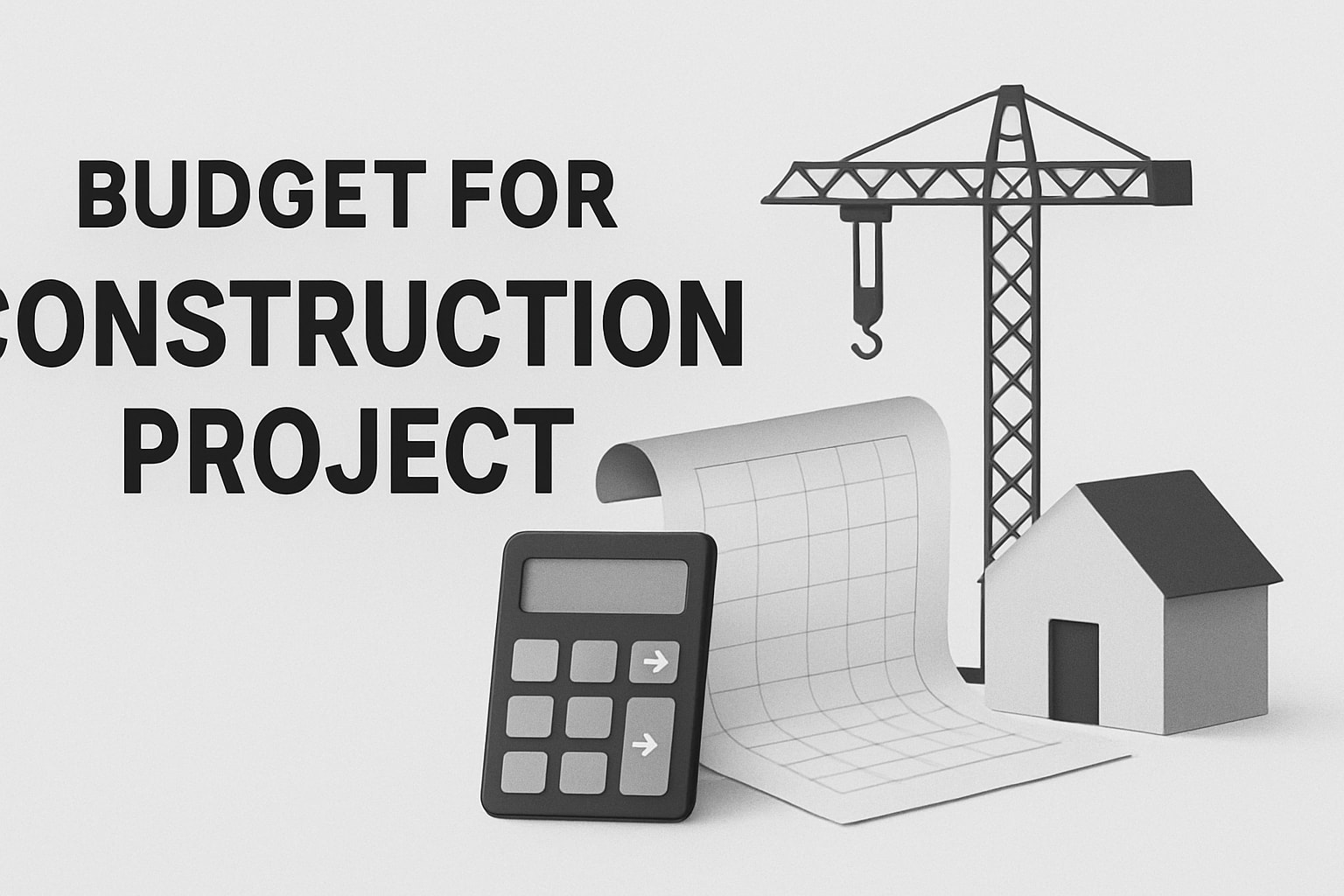
Budget overruns and costly surprises are among the most common reasons construction projects struggle in Ontario, especially as evolving regulations and market forces shape the 2026 landscape.
This guide offers a clear path for those seeking to master the budget for construction project, focusing on premium residential homes, sophisticated landscapes, and custom pool builds throughout the Greater Toronto Area.
You will discover how to break down costs, navigate Ontario-specific budgeting steps, and understand the critical role of early planning in achieving predictable outcomes.
We will also reveal best practices for collaborating with architects, designers, and project managers, ensuring every detail is accounted for before ground is broken.
Whether you are a homeowner, architect, or builder, our goal is to give you the confidence and clarity needed to build with certainty in Ontario’s demanding construction environment.
Creating an accurate budget for construction project success in Ontario in 2026 requires a clear understanding of hard and soft costs. Hard costs include materials, labour, and site work, while soft costs cover design, engineering, permits, and project management.
Ontario builders now face unique cost drivers. Material prices have climbed, skilled trades are at a premium, and updated building codes demand higher standards. These factors all raise the budget for construction project planning, especially for premium landscape and pool builds in the GTA.
Typical premium residential and landscape projects allocate roughly 70 percent to hard costs and 30 percent to soft costs:
| Cost Category | Percentage | Example Allocation ($1M Project) |
|---|---|---|
| Hard Costs | 70% | $700,000 |
| Soft Costs | 30% | $300,000 |
Site grading, soil conditions, and municipal requirements in the GTA can introduce further complexity. HST, development charges, and permit fees must be included early in your budget for construction project projections to avoid surprises. For high-end builds, expect costs between $400 and $800 per square foot, as outlined in this detailed cost breakdown for custom homes in Ontario.
For example, a $1M landscape and pool project might see $700,000 go to excavation, pools, and finishes, with $300,000 covering design, permits, and management. Underestimating soft costs is a common pitfall that leads to overruns and delays, so careful planning is essential.
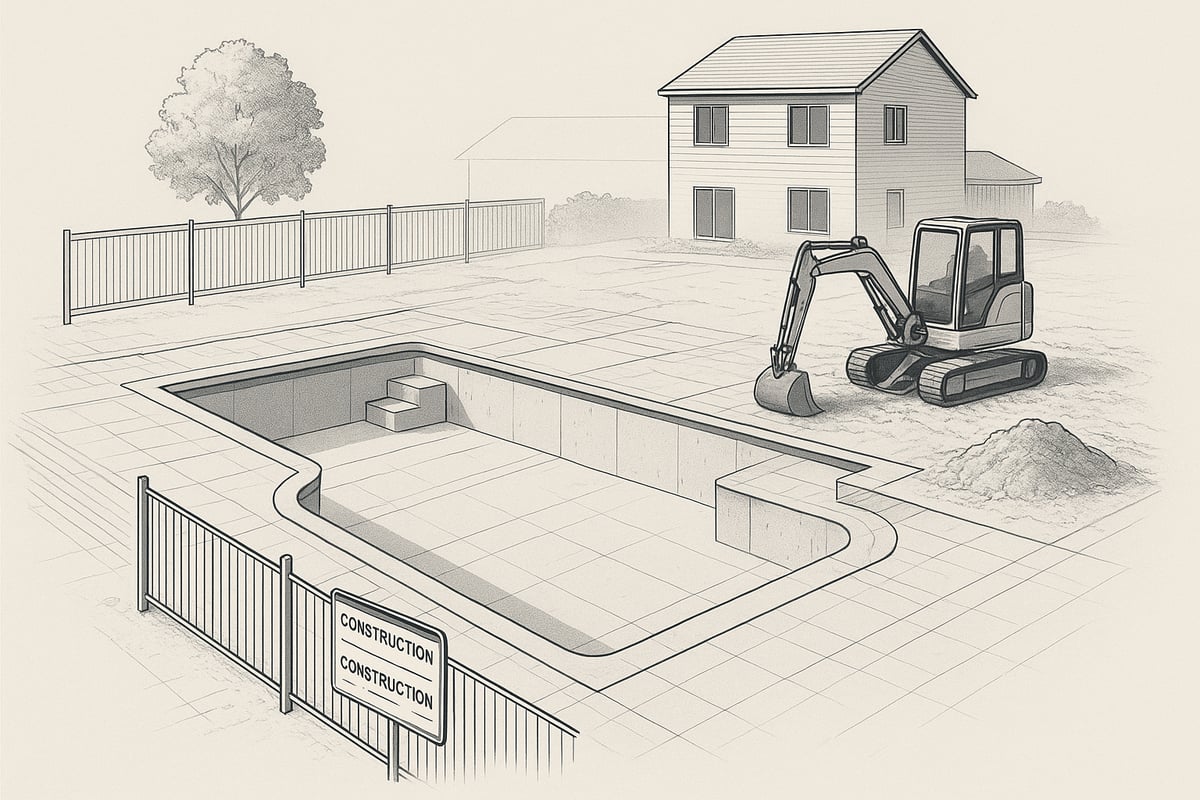
Creating a reliable budget for construction project success in Ontario requires a systematic approach. Each phase, from defining your vision to securing permits, plays a pivotal role in cost control and outcome predictability. Here is a step-by-step breakdown tailored for premium residential, pool, and landscape projects in the GTA.

Define Project Scope and Priorities
Start with a clear vision: Is your focus a custom home, luxury landscape, or integrated pool environment? Use a simple table to separate must-haves from nice-to-haves, guiding your budget for construction project allocations.
| Must-Haves | Nice-to-Haves |
|---|---|
| Pool shell | Outdoor kitchen |
| Retaining walls | Water features |
| Grading/fencing | Fire pit/lounge |
Engage Early with Design and Project Management Professionals
Involve architects, landscape architects, and project managers from the outset. Early coordination ensures site studies, grading plans, and zoning compliance are addressed, preventing costly mid-project changes.
Develop Preliminary Construction Drawings and Specifications
Detailed, construction-ready plans are essential. They allow for accurate tendering and minimize the risk of change orders that can derail timelines and inflate costs.
Solicit Competitive Bids (Tendering Process)
Structure a fair, transparent tender process for trades and suppliers. Comparing multiple bids helps control costs and ensures you get value for every dollar invested.
Finalize Budget and Contingency Planning
Factor in a contingency allowance of 10–15 percent to cover unknowns and Ontario market volatility. For deeper insights on adapting your budget for construction project to real-world uncertainties, see Budgeting for Uncertainty in Construction.
Secure Approvals and Permits
Navigate GTA-specific municipal processes: site plan approval, pool enclosure, and conservation authority. Early and complete submissions help avoid costly delays and compliance setbacks.
A disciplined approach to each step ensures your budget for construction project remains accurate and resilient as your vision comes to life.
Understanding the key cost categories is essential for an accurate budget for construction project in Ontario, especially for premium landscape and pool builds.
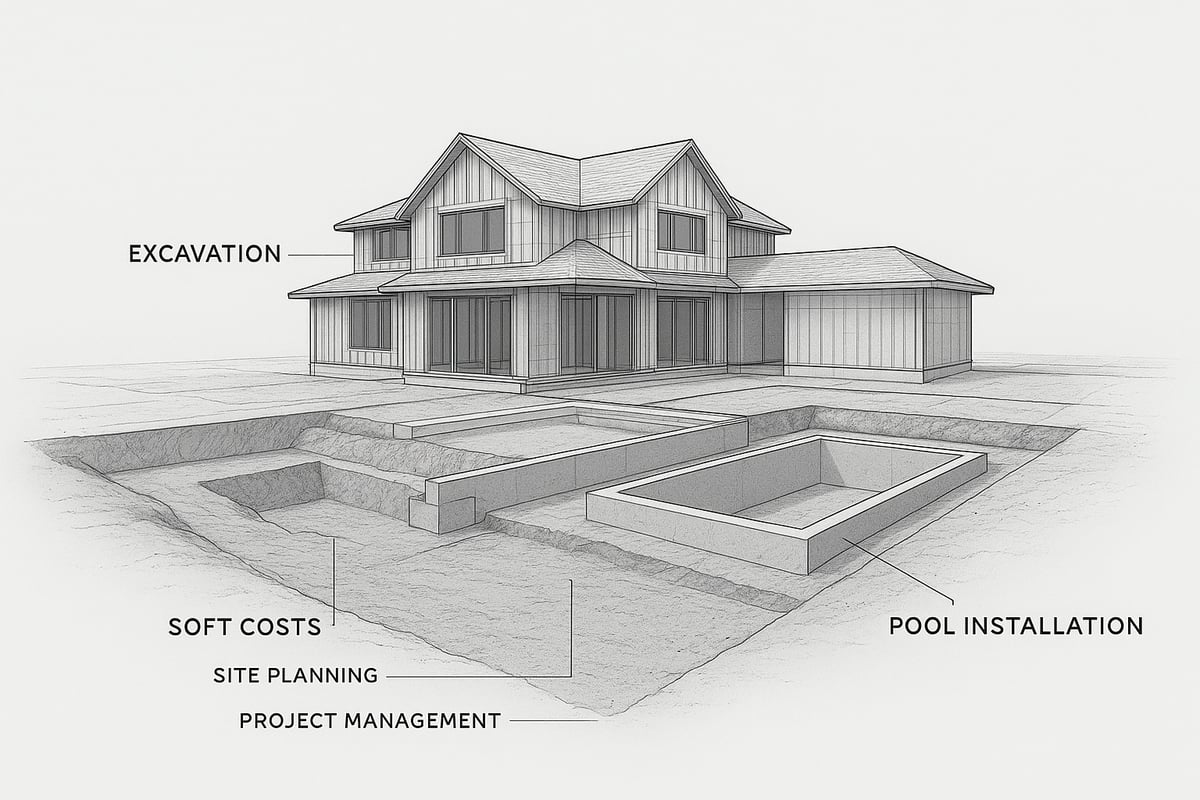
Hard costs are the direct construction expenses, including excavation, grading, concrete, framing, pool structures, mechanicals, and landscape installations. In the GTA, factors like winter premiums, soil remediation, and mandatory pool fencing add to these costs. For premium outdoor projects, hard costs often represent 65 to 70 percent of the overall budget. Site-specific issues, such as challenging grading or strict municipal requirements, can further increase these expenses. Precision in construction drawings and early planning ensures hard costs remain predictable.
Soft costs cover design fees, engineering, permit applications, insurance, project management, and owner’s representatives. In complex landscape and pool builds, soft costs can reach 30 to 35 percent of the total budget for construction project. Proper sequencing and trade coordination are critical—missteps here lead to costly delays and change orders. Many underestimate soft costs, risking budget overruns and missed timelines. For an in-depth look at how complexity shapes both categories, see Complexity in construction projects. Allocating for both hard and soft costs protects your investment and delivers a smoother construction experience.
Early planning is the foundation of every successful budget for construction project in the GTA. Engaging a project manager or general contractor at the outset ensures your design intent is protected and costs are controlled, even as Ontario regulations evolve. Thoughtful pre-construction planning avoids reactive decisions that can inflate costs and compromise quality.
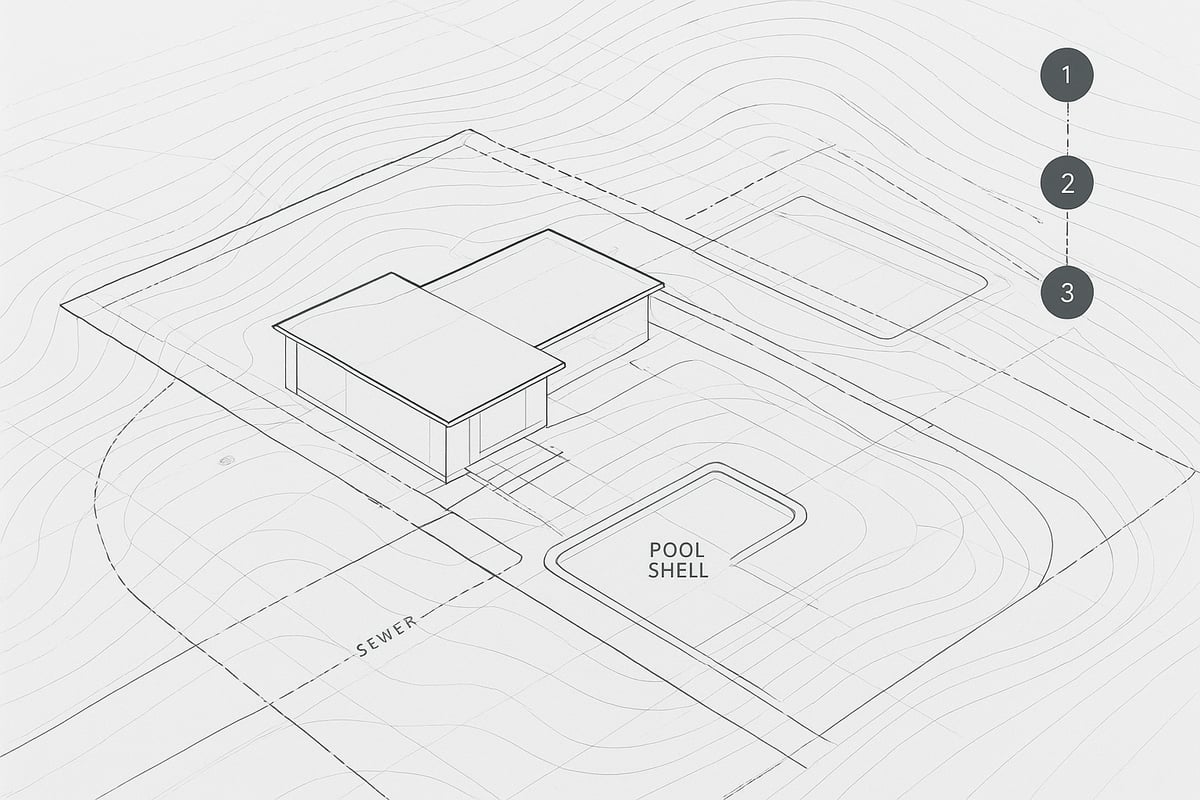
Sequencing is critical for effective budget for construction project management. Proper order—grading, installing the pool shell, running utilities, then landscaping—prevents costly rework and delays. Coordinated installation can save significant time and money, especially when site access is limited or multiple trades are involved. Clear construction-ready documentation minimizes change orders and ensures each phase runs smoothly.
Stakeholder alignment before construction is essential. Bringing the owner, architect, and trades together early allows for technical review of plans, integration of municipal requirements, and proactive risk management. Utilizing a Construction risk management plan helps identify potential challenges, reduce surprises, and keep your project on schedule and within budget. Detailed coordination up front is the surest way to deliver premium results without unnecessary cost overruns.
Navigating the approval process in the GTA is a critical step to protect your budget for construction project and timeline. Each municipality enforces unique requirements, making early research and planning essential for success.
Every premium landscape or pool build in Ontario faces layers of municipal regulation. Zoning bylaws dictate building placement and setbacks. Pool enclosures, conservation authority reviews for sensitive lands, and tree protection bylaws all impact feasibility.
These requirements can add complexity and cost, especially for projects near ravines or waterfronts. Missing a step in the approval process can lead to delays and costly rework.
Permit fees, legal surveys, and third-party engineering reviews are significant line items in the budget for construction project. For example, conservation authority approvals for properties near protected areas can extend timelines by months.
Development charges and permit costs vary widely across municipalities. For a detailed look at how these fees impact project costs, see the Balancing Growth and Affordability Report. Factoring these expenses in early is crucial to avoid budget shortfalls.
To expedite approvals, start with early consultations and submit complete, detailed construction-ready plans. Incomplete applications almost always trigger costly delays.
Proceeding without proper permits exposes homeowners and builders to fines, stop-work orders, and unforeseen expenses. A dedicated project manager, like Solid Plan, can shepherd your approvals, ensuring all requirements are met and your budget for construction project stays on track.
Maintaining control of your budget for construction project is essential for success in Ontario’s premium residential and landscape sector. By focusing on careful planning, technical coordination, and disciplined management, you can protect your investment, reduce risk, and achieve predictable outcomes.
A master construction schedule is vital for any budget for construction project. Overlapping scopes, such as pool, grading, and hardscape, can trigger costly rework if not managed. The project manager’s expertise ensures trades are sequenced efficiently, avoiding downtime and conflicts.
Change orders are often rooted in incomplete drawings, late decisions, or unforeseen site issues. In the GTA, even small changes can escalate costs quickly. Early identification of soil or drainage challenges helps prevent surprises and keeps your construction budget intact.
Regular budget reviews and clear reporting are crucial for every budget for construction project. Digital tools enable cost tracking and document management, while owner advocacy helps prevent scope creep. Explore Financial and project management insights for strategies to maintain transparency and control.
Always maintain a realistic contingency fund throughout the build. Adjust allowances as unknowns become known, and implement post-project reviews to refine future budgets. This proactive approach protects against overruns and supports continuous improvement.