Premium residential construction in Ontario is a high-stakes, complex undertaking where every detail matters. For 2026, the risks of mismanaged projects—from compliance issues to costly delays—are higher than ever.
This guide offers a start to finish project management roadmap designed specifically for Ontario’s high-value landscape, pool, and custom home builds. Each section delivers actionable steps, industry insights, and proven strategies.
You will learn how to navigate early planning, design coordination, approvals, budgeting, tendering, sequencing, trade management, and quality assurance. Whether you are a homeowner, architect, or builder, this structured approach helps ensure projects run smoothly, meet all regulations, and deliver the exceptional results your investment deserves.
Setting a strong foundation is essential for any premium residential build in Ontario. Early planning shapes the success of start to finish project management, ensuring that every detail aligns with your long-term vision and the realities of your property.
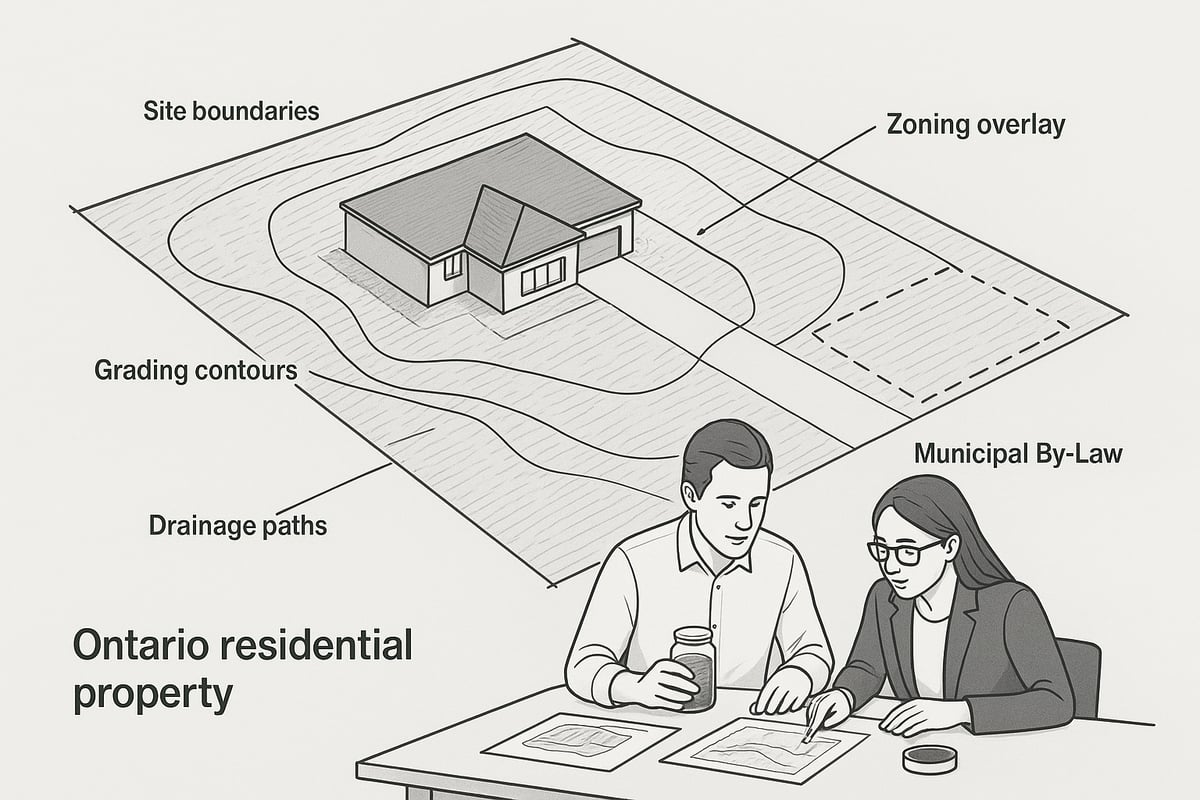
Start by defining your lifestyle goals, property constraints, and future-proofing needs. Consider how each feature—pool, landscape, or custom home—should serve your family now and in the future. Feasibility studies, like soil testing and heritage reviews, are critical for identifying risks before design begins.
In Ontario, conservation authority input and by-law overlays can shape what’s possible. Reviewing pools and landscape project guides can help clarify local requirements and best practices for start to finish project management.
A thorough site analysis includes grading, drainage, zoning, and municipal restrictions unique to Ontario. Early budget forecasting for pools, landscapes, and complex builds helps avoid sticker shock later. Consider the following checklist:
Engage all stakeholders—homeowners, architects, engineers—early. For example, one estate avoided a $50K change order by identifying water table issues before design. According to industry reports, up to 30% of Ontario landscape projects face delays due to lack of early planning. Solid start to finish project management at this stage protects your investment and timeline.
A successful start to finish project management approach demands rigorous design coordination from day one. For premium Ontario builds, aligning vision with budget and technical realities is crucial before breaking ground.

Collaboration is at the core of start to finish project management. Every stakeholder—homeowner, architect, landscape architect, engineer—should be brought in early. This ensures the vision, budget, and technical constraints are aligned. Detailed construction drawings form the backbone of this phase, including:
Navigating Ontario’s complex permit requirements means preparing for municipal approvals, Committee of Adjustment decisions, and conservation authority input. Each step must protect the design intent, even during value engineering or when trades provide input.
Sequencing design deliverables is vital for smooth tendering and construction. Coordinating pool, landscape, and structural drawings prevents costly site clashes. Change management protocols are necessary to minimize design drift and keep the project on track.
For example, a GTA project avoided major delays by integrating pool and landscape drawings early, preventing site conflicts. Industry benchmarks show that projects with coordinated design packages reduce RFI volume by 40 percent. For more in-depth information on this critical phase of start to finish project management, see these design drawings and specifications insights.
Securing timely approvals is pivotal for any premium Ontario build. The start to finish project management process must address unique local requirements for pools, grading, tree protection, and heritage designations. Each municipality enforces its own set of by-laws, making early research and understanding of timelines essential for success.
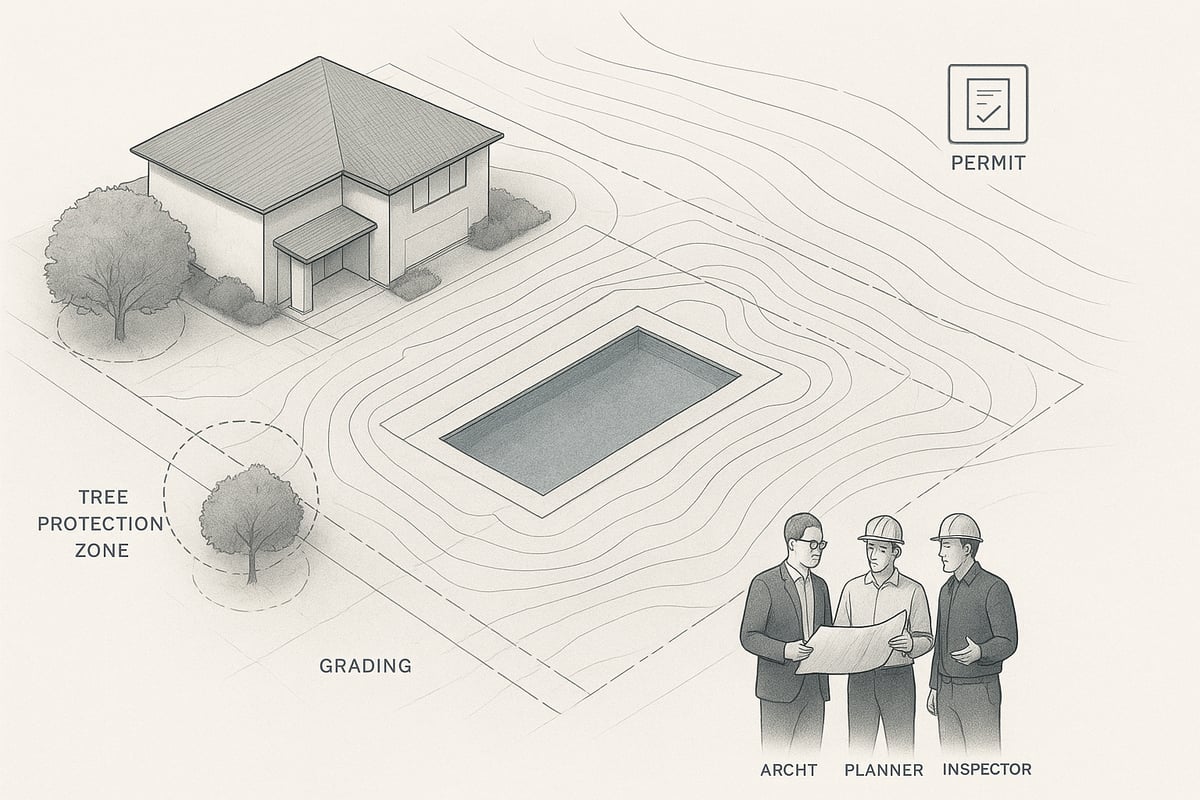
Comprehensive permit-ready documentation is non-negotiable. This includes detailed site plans, grading and drainage drawings, arborist reports, pool enclosure specs, and HVAC layouts. Proactive pre-consultations with municipal staff help flag common issues before submission, reducing costly resubmissions and project delays.
High-value projects benefit from dedicated permit coordinators who anticipate red flags and coordinate with conservation authorities and utilities. Identifying risks early, such as setback conflicts or utility easements, allows teams to develop contingency plans and safeguard timelines. For deeper insights, review these construction risk management strategies to strengthen your approach.
For instance, resolving a minor setback issue before permit submission can save up to 8 weeks in approvals. Incomplete or inaccurate permit submissions account for delays in 25% of GTA pool projects, highlighting the need for meticulous oversight. Solid Plan’s approach ensures every approval step is aligned with your project’s vision and schedule.
A successful start to finish project management approach in Ontario relies on rigorous tendering, thorough budgeting, and careful trade selection. Early in the process, assembling a complete tender package is essential. This includes construction-ready drawings, detailed specifications, and a clear scope of work for every trade involved.
Trade Prequalification and Bid Evaluation
Selecting the right contractors means verifying experience with premium landscapes, custom pools, and complex residential builds. Prequalify by checking references, insurance, and past projects. When evaluating bids, compare inclusions and exclusions side by side to avoid hidden costs.
| Evaluation Criteria | Importance |
|---|---|
| Relevant Experience | Prevents costly errors |
| Insurance & Compliance | Reduces project risk |
| Scope Clarity | Avoids change orders |
Budget Control, Sequencing, and Early Procurement
Establish clear allowances, track contingencies, and include escalation clauses to protect against market volatility. Proper sequencing of trades minimizes site congestion and rework. Early procurement of long-lead items like custom pool shells or specialty stone ensures schedules stay on track. For more on procurement strategies, see the Design and construction procurement guide.
Projects using structured start to finish project management and organized tendering typically see fewer budget overruns, ensuring quality and timely delivery.
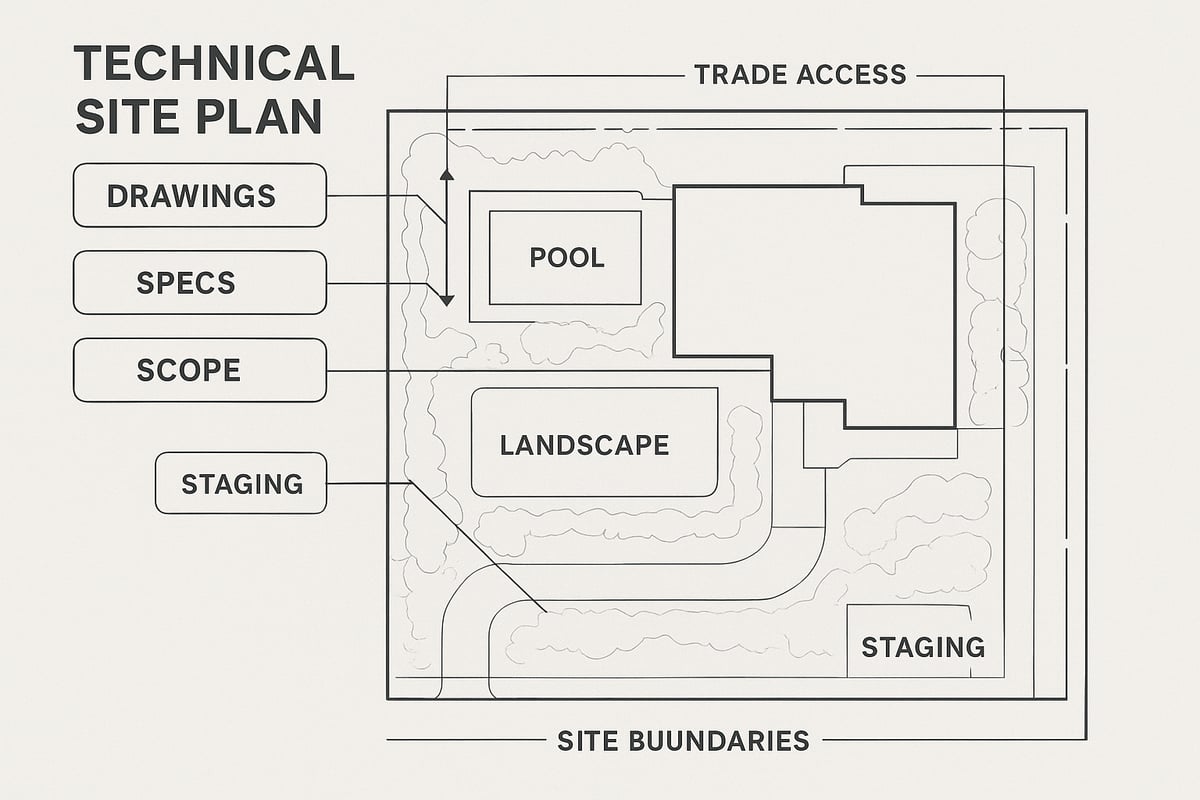
Careful sequencing and oversight are at the heart of start to finish project management for Ontario’s premium residential builds. Every phase must be organized to ensure technical quality, protect the design, and keep the project on track.
A successful start to finish project management approach relies on a detailed construction sequence tailored to Ontario’s climate and regulations. Site prep and grading come first, setting the foundation for pool shell installation, hardscape construction, and landscape planting. Scheduling must account for critical path activities and seasonal weather, as delays in one trade can ripple through the entire project. Early planning minimizes costly rework and keeps premium builds moving.
Quality assurance is non negotiable in high value Ontario projects. Start to finish project management involves regular site inspections, milestone sign offs, and rigorous checklists. Every step from substrate inspection before pool tile installation to verifying grading tolerances ensures the final product matches approved construction drawings. Protecting design intent means closely monitoring trade work and preventing unauthorized changes. For real world examples of these strategies, see our Project management case studies.
Coordinating pool, landscape, and building trades is essential to avoid site congestion and scheduling conflicts. Open communication, clear documentation, and proactive RFI management keep all parties aligned. Using the Ontario Builder Directory helps verify trade credentials and supports compliance for premium projects.
A recent GTA estate project avoided pool tile failure through rigorous substrate checks before installation. Industry studies show that proactive oversight can reduce post construction deficiencies by up to 50 percent, solidifying the value of expert management.
A successful handover is the final test of start to finish project management. This phase is where quality, compliance, and your investment are validated.
Final inspections ensure municipal approvals, client walkthroughs, and a detailed deficiency list are completed before sign-off. Solid Plan delivers clients a complete package, including:
Compliance is critical in Ontario, from pool fencing to grading and site restoration. We educate owners about seasonal care and long-term maintenance to protect asset value.
For example, we recently achieved a zero-deficiency handover for a GTA estate, setting a new standard in start to finish project management.
Ongoing support means warranty issues are resolved quickly and future upgrades are seamless. Industry research shows thorough closeout reduces warranty claims by 30 percent.
After reading through this comprehensive guide, you can see how critical it is to have expert coordination and careful planning every step of the way—from early vision and feasibility, to design, approvals, and final handover. If you want your next project to run smoothly, protect your investment, and achieve exceptional results, let's talk about how we can bring your vision to life. You deserve a partner who understands the unique challenges of residential construction in Ontario and advocates for your success from start to finish.
Book a Consultation