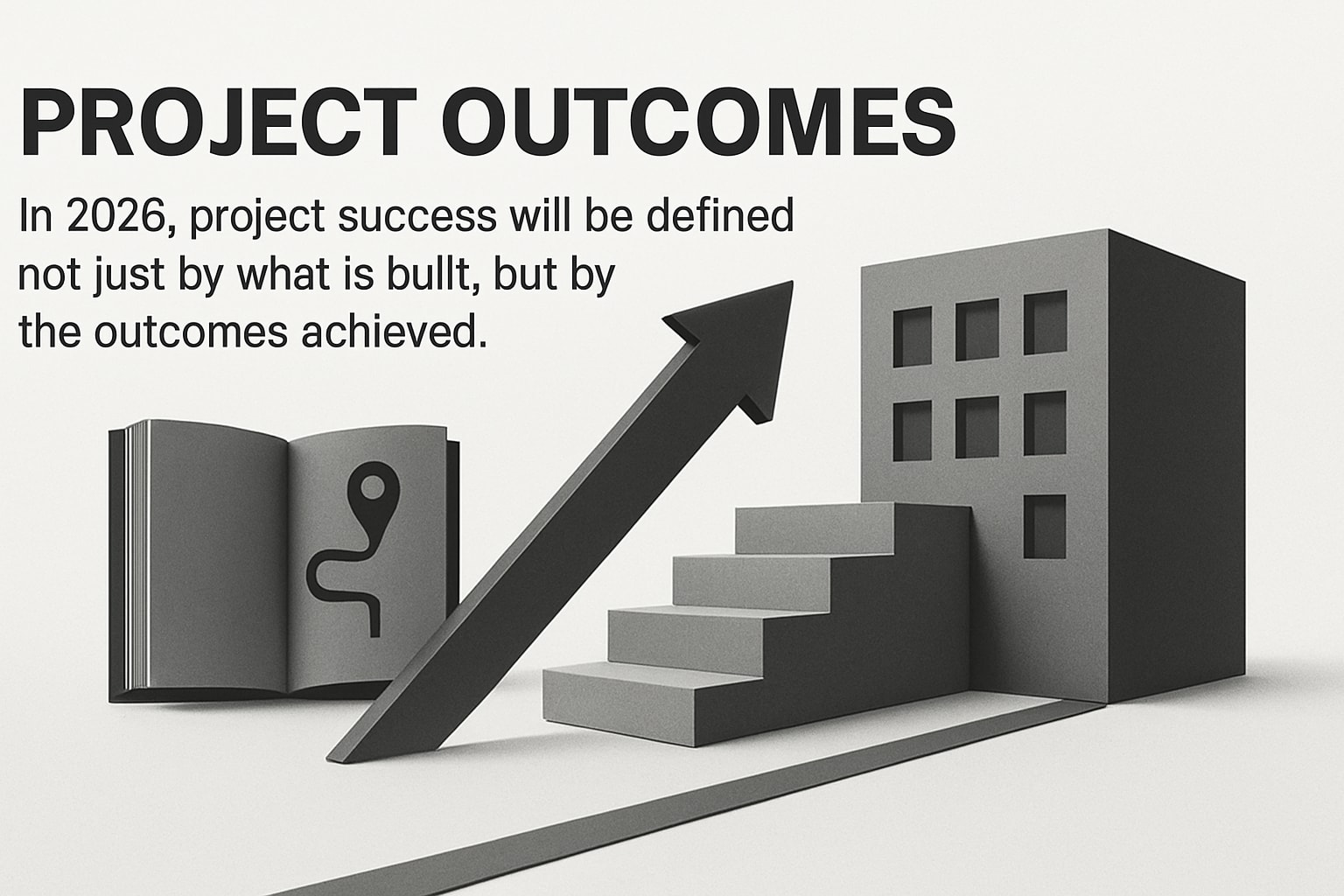
In 2026, the benchmark for construction excellence is shifting. Success is no longer defined solely by what gets built, but by the lasting impact and value those projects create.
This guide will demystify project outcomes, giving you the frameworks and strategies needed to deliver measurable, long-term success for every premium build.
You will discover how to distinguish outputs from outcomes, master the steps for defining and measuring success, and see real-world examples that prove the value of outcome-driven planning.
Ready to future-proof your projects? Let’s begin.
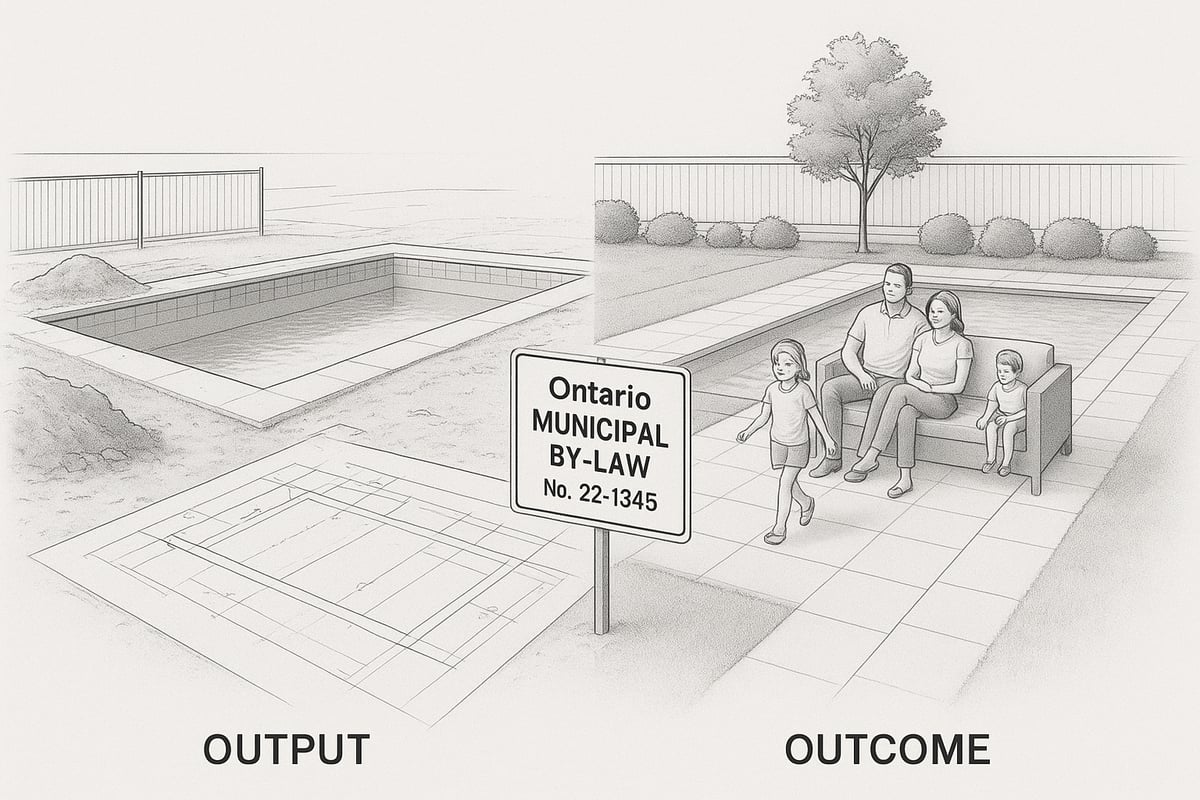
Project outcomes are the long-term impacts and value your construction project delivers, well beyond the finished product. In Ontario, a completed pool or landscaped yard is an output, but the true project outcomes are increased property value, enhanced usability, and lasting homeowner satisfaction.
Understanding the distinction between outputs and outcomes prevents missed opportunities and stakeholder misalignment. Outputs are tangible deliverables, while outcomes reflect the change or benefit created. For a clear breakdown, see the table below:
| Output | Outcome |
|---|---|
| Pool constructed | Family enjoyment, increased home value |
| Garden installed | Year-round curb appeal, compliance with by-laws |
| Patio built | Improved accessibility, outdoor entertaining |
When teams focus only on outputs, critical project outcomes are often overlooked. According to industry sources, projects that clearly define outcomes are twice as likely to meet client expectations. This is especially significant in premium and complex builds, where aligning architects, trades, and homeowners ensures every detail supports the homeowner’s vision.
For more insight into the difference between outputs and outcomes, review the Outputs and Outcomes - NCCOS guide, which highlights why measuring both is crucial in evaluating project success. Ultimately, outcome-driven planning is the foundation of premium construction in Ontario, protecting your investment and ensuring every project delivers lasting value.
Achieving exceptional project outcomes in Ontario’s high-end construction sector requires more than great design or skilled trades. It demands a structured approach that aligns vision, technical planning, and ongoing oversight from concept to completion. The 2026 Success Framework provides a clear path for homeowners, architects, and builders to deliver measurable value and long-term satisfaction.

The first step in delivering strong project outcomes is to engage every stakeholder from the very beginning. Bring together homeowners, architects, landscape architects, and builders during visioning sessions. Discuss not just what will be built, but the long-term impacts—like seamless indoor-outdoor flow or durability for Ontario’s climate.
Use the SMART framework to make outcome statements specific and measurable. For example, define a “family-friendly outdoor space” as an outcome, instead of just a “pool with patio.” Early clarity around project outcomes helps avoid costly change orders and miscommunications.
Address local approval processes, zoning, and regulatory needs upfront. This alignment ensures everyone shares the same vision, laying the groundwork for smooth execution.
The next phase is turning vision into reality with construction-ready planning. Detailed drawings and sequencing plans are essential for bridging design and execution in premium projects. Technical coordination is the backbone of successful project outcomes, ensuring grading, drainage, and logistics are addressed early.
Coordinate with all trades and consultants right from the start. Use the tendering process to confirm bids reflect the true scope and intended outcomes. In Ontario, compliance with municipal grading and site alteration by-laws is critical.
Early identification of permit requirements and technical challenges prevents delays and rework. This step protects both the client’s investment and the design intent throughout every phase.
The final step in the 2026 framework is establishing clear metrics for project outcomes. Track progress with tools that measure budget adherence, timelines, satisfaction, and regulatory compliance. Schedule site meetings and regular check-ins to address emerging issues before they escalate.
Implement post-project reviews to capture lessons learned and refine processes. For deeper insight into strategic metrics, consider resources like Measuring What Matters, which highlights the importance of evaluating outcomes beyond traditional measures.
Leveraging data and ongoing feedback ensures each project delivers lasting value and sets the standard for future excellence.
Premium projects in Ontario demonstrate how focusing on project outcomes transforms spaces and adds value far beyond the initial build. Consider a luxury garden in Toronto: the output is an award-winning landscape, but the real project outcomes include increased home resale value and year-round enjoyment for the family.
In another case, a modern pool installation delivers not just a striking visual feature but measurable outcomes such as reduced energy costs and full regulatory compliance. These examples show why integrated planning is crucial. In fact, projects with holistic coordination see a 20 percent drop in costly change orders.
| Example | Output | Project Outcomes |
|---|---|---|
| Luxury Garden | Award-winning garden | Higher resale value, more usable space, client delight |
| Modern Pool | Pool installation | Lower energy costs, by-law compliance, easier upkeep |
Stakeholders experience unique benefits: homeowners gain peace of mind, architects see their design intent protected, and builders enjoy clear sequencing. Complex builds, like those involving stormwater management or accessibility, highlight how intentional management delivers premium project outcomes.
For more Ontario case studies and inspiration, explore Pools & Landscape Project Stories.
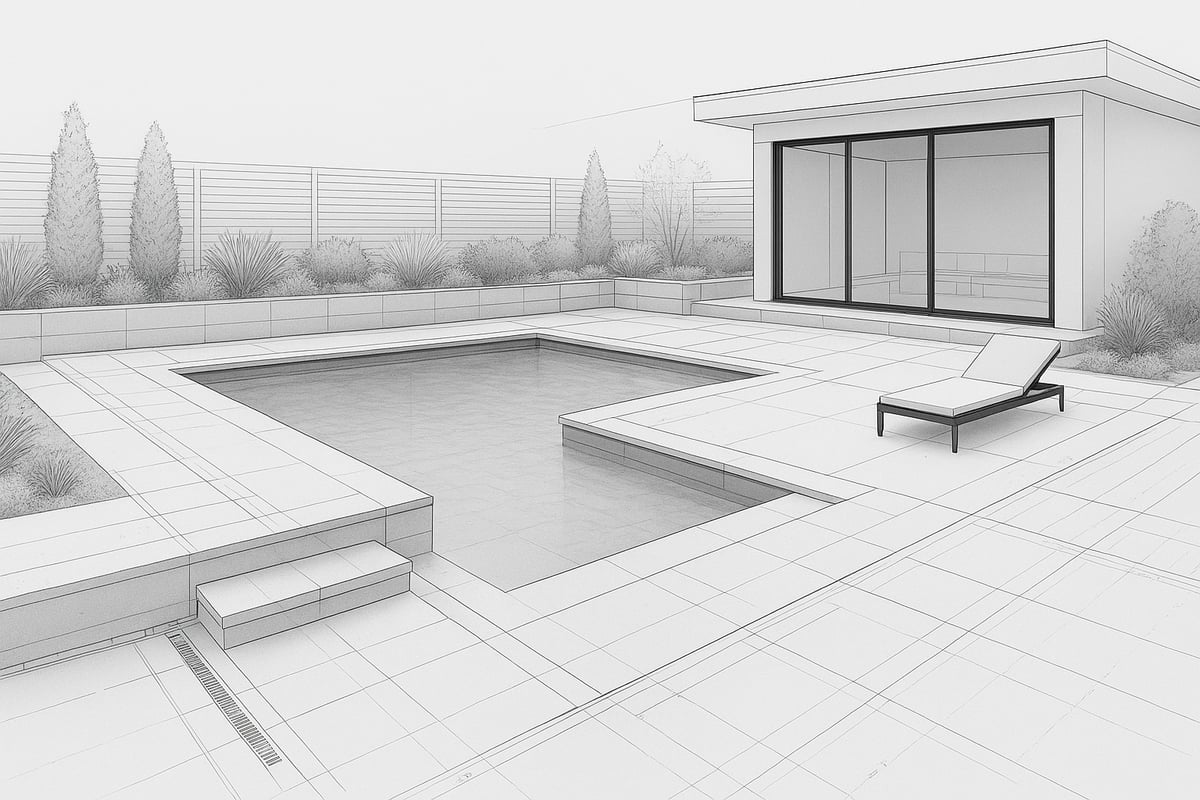
Effective trade coordination and precise sequencing are the backbone of successful project outcomes. In premium Ontario construction, involving pools and landscapes, a single misstep in trade scheduling can lead to costly delays or rework. Early planning ensures each trade knows when and how their work fits within the broader project, protecting both timeline and design intent.
| Sequence | Benefit |
|---|---|
| Pool before hardscape | Avoids damage to finished surfaces, prevents rework |
| Grading before planting | Ensures drainage, supports healthy landscapes |
Budgeting and scope definition are equally vital. A detailed budget, rooted in accurate construction drawings and trade input, helps avoid overruns and aligns bids with true project requirements. For deeper insights on aligning financial planning with project goals, see Financial and Project Management Insights. This ensures every dollar is mapped to a specific outcome, reducing surprises.
Ontario’s seasonal constraints, permit timelines, and by-law requirements add another layer of complexity. Proactive identification of risks, such as utility conflicts or grading challenges, is essential. Projects with strong trade coordination and early risk management are 30 percent more likely to finish on time and on budget. Ultimately, meticulous planning and oversight are what transform ambitious visions into real, measurable project outcomes.
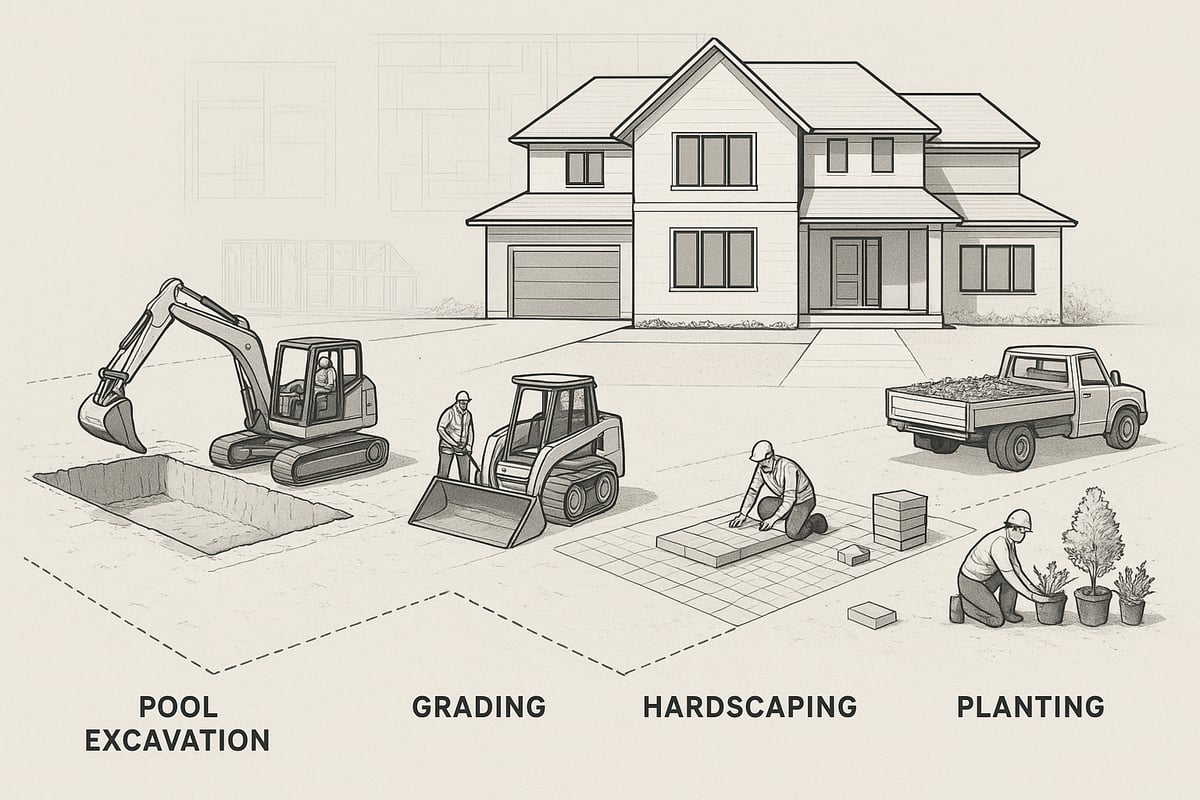
Achieving premium project outcomes in Ontario’s complex construction environment requires more than technical expertise. It demands a dedicated advocate—someone who safeguards the vision, quality, and budget at every stage. Advocacy and oversight are the glue that hold design intent together from concept to completion.
At Solid Plan, the project manager acts as the architect of the build process. This role is critical for navigating local by-laws, approvals, and inspections unique to the GTA. By anticipating regulatory hurdles and maintaining focus on intended project outcomes, the project manager ensures nothing is lost in translation between design and execution.
Advocacy and oversight responsibilities include:
Transparent communication is vital. Regular check-ins with homeowners, architects, and trades keep everyone informed and engaged. For example, advocacy can prevent last-minute changes by proactively identifying overlooked municipal requirements. According to industry data, projects with strong oversight see a 15% increase in client satisfaction. To further strengthen risk mitigation and oversight, review our Construction Risk Management Plan for proven strategies.
Continuous oversight is not just a safeguard—it is the foundation for delivering outstanding project outcomes on every premium build.
As you look ahead to 2026 and consider what true project success means for you, remember that the outcomes you achieve can make all the difference—not just for your property, but for your peace of mind. We’ve explored how early planning, technical coordination, and ongoing advocacy set the stage for lasting value and satisfaction. If you’re ready to put these proven strategies into action and want an experienced partner to guide your next residential or outdoor project, let’s connect. You deserve a team that will champion your vision every step of the way. Book a Consultation