In Ontario’s high-end residential and landscape construction market, the pressure to deliver flawless results is intense. Without the foresight to develop a project management plan, even the most ambitious projects can face costly delays, budget overruns, or forced design compromises.
Homeowners, architects, and builders know that premium pools and outdoor living spaces require more than inspiration. Success in 2026 depends on a plan that integrates clear objectives, meticulous construction drawings, and firm control over grading, tendering, and trade coordination.
This article breaks down 10 actionable ways to develop a project management plan specifically for Ontario’s unique challenges. Discover how early planning and expert coordination can safeguard your investment, protect design intent, and ensure your project is delivered on time and on budget.
Establishing a solid foundation is crucial when you develop a project management plan for any premium residential or landscape construction in Ontario. Clear objectives and a well-defined scope give your project structure, prevent miscommunication, and align all stakeholders from day one.
Begin by uniting homeowners, architects, and builders around a shared vision. Early alignment ensures that expectations are transparent and measurable goals are set. This step eliminates confusion and keeps everyone on track as the project progresses.
Next, document the scope with meticulous detail. Use comprehensive construction drawings, specifications, and grading plans to clarify every aspect of the build. For a deeper dive into why this matters, see our insights on design drawings and specifications. Precise documentation reduces ambiguity, minimizes change orders, and helps control costs.
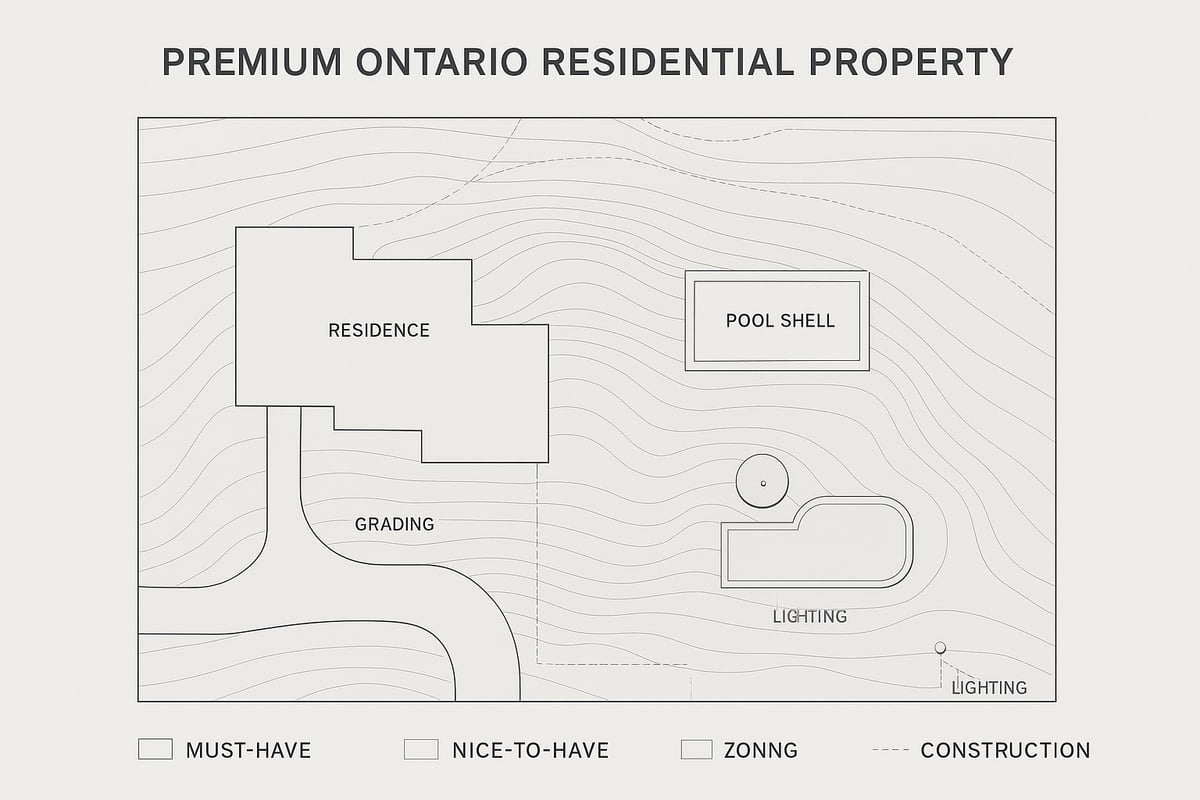
Ontario’s unique by-laws, zoning, and grading requirements must be addressed from the outset. Overlooking these can result in major setbacks. For example, unclear pool or grading requirements often derail timelines and inflate budgets when missed early in the process.
To manage expectations and prevent scope creep, separate “must-haves” from “nice-to-haves” in the project scope:
| Must-Haves | Nice-to-Haves |
|---|---|
| Structural grading | Outdoor lighting |
| Permit approvals | Water features |
| Pool shell specs | Custom plantings |
Protecting design intent is essential throughout. When you develop a project management plan with these safeguards, you ensure architectural vision is preserved from concept to completion. According to PMI, poor planning and an unclear scope result in 11.4% of business investment wasted on failed projects.
Laying this groundwork is the first step to a successful, on-time, and on-budget build in Ontario.
A successful premium landscape, pool, or residential project in Ontario hinges on how you develop a project management plan. Each of the following 10 strategies addresses the realities of complex construction, from early alignment to seamless handover. Let’s break down exactly how to build a plan that eliminates costly surprises and protects your investment.
Begin by mapping everyone involved: homeowners, architects, landscape architects, builders, trades, and municipal authorities. Early alignment meetings clarify roles, set communication standards, and surface expectations.
Use structured surveys or interviews to document priorities. Proactively address conflicting interests, especially regarding grading or design. Meet with municipal planners early to anticipate approval timelines and prevent delays.
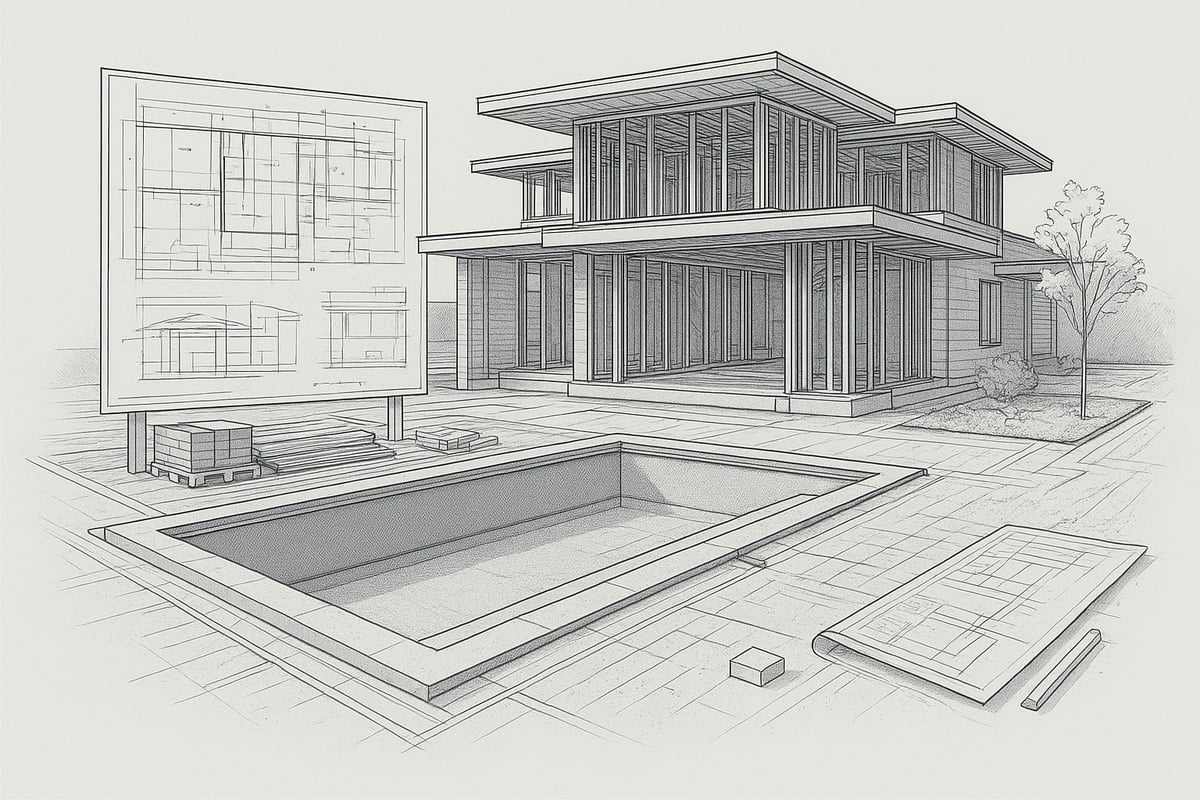
Produce comprehensive construction drawings, grading plans, and technical specifications. Ensure all documents comply with Ontario Building Code and municipal by-laws.
Include detailed landscape, pool, drainage, and grading information. Sequence documentation for permitting, tendering, and construction to avoid ambiguity. Missing grading or drainage details can create costly change orders later.
Break down your project into clear phases: design, permitting, tendering, mobilization, construction, and closeout. Sequence activities to optimize trade coordination and reduce downtime.
Consider Ontario’s seasonal construction windows, especially for pools and site grading. Visualize timelines using Gantt charts or specialized scheduling software, so everyone understands the critical path.
To develop a project management plan that delivers on budget, establish a detailed budget covering all phases, including contingency allowances. Consult historical data and seek input from trades to validate cost estimates.
Plan your tendering and bid evaluation process to secure competitive pricing. Implement cost tracking and regular reporting from day one. Early budget alignment with trades helps prevent overruns.
Conduct a risk assessment covering permitting, weather, supply chain, and trade availability. Develop contingency plans for high-impact risks like permit delays or material shortages.
Assign risk ownership to specific team members for accountability. Use lessons learned from past Ontario projects, and for a deeper dive, review this Construction risk management plan resource.
Map out every required approval: municipal, conservation authority, and utility. Prepare complete permit packages with all supporting documents.
Track approval timelines and build them into your master schedule. Maintain open lines of communication with municipal planners and inspectors to keep things moving. Navigating Toronto’s Committee of Adjustment for grading approvals is a common challenge.
Prequalify trades with experience in premium Ontario projects. Sequence their involvement to reduce site congestion and avoid rework.
Hold kickoff meetings to clarify scope, schedule, and quality standards. Use digital collaboration tools for real-time updates and issue tracking. Coordinating pool, electrical, and landscape trades is vital for critical path tasks.
Put a formal process in place for managing owner requests and design changes. Use construction drawings as the single source of truth.
Require written approval for all scope changes and track their impact on schedule and budget. Communicate design intent clearly to all trades to protect the architectural vision and prevent scope drift.
Set measurable performance baselines for schedule, budget, and quality. Conduct regular site inspections and progress meetings.
Leverage project management software for real-time tracking and reporting. Benchmark actual progress against the baseline to identify variances early. This helps you develop a project management plan that catches issues before they escalate.
Create a closeout checklist covering inspections, deficiencies, and documentation. Collect and deliver all as-built drawings and warranties.
Schedule final walkthroughs with owners and designers to confirm satisfaction. Provide guidance for maintenance and warranty claims, ensuring your plan ends with a smooth handover. The way you develop a project management plan in this final phase cements client trust and future referrals.
Embracing technology is essential when you develop a project management plan for high-end residential and landscape builds in Ontario. Project management software centralizes communication, tracks progress, and coordinates trades, making complex sequencing and grading tasks more manageable.
Digital tools streamline document control, ensuring construction drawings, permits, and specifications are always accessible and up to date. Real-time dashboards offer homeowners and architects full transparency, while automated scheduling helps avoid costly delays.
Data-driven platforms now allow teams to forecast risks and optimize budgets by analyzing historical project data. For advanced methods in digital planning, see this Data-Driven Project Planning Research resource.
Ontario’s adoption of digital permitting further accelerates approvals, reducing bottlenecks and keeping projects on track. Leveraging these innovations, Solid Plan delivers predictable, high-quality results for every client.
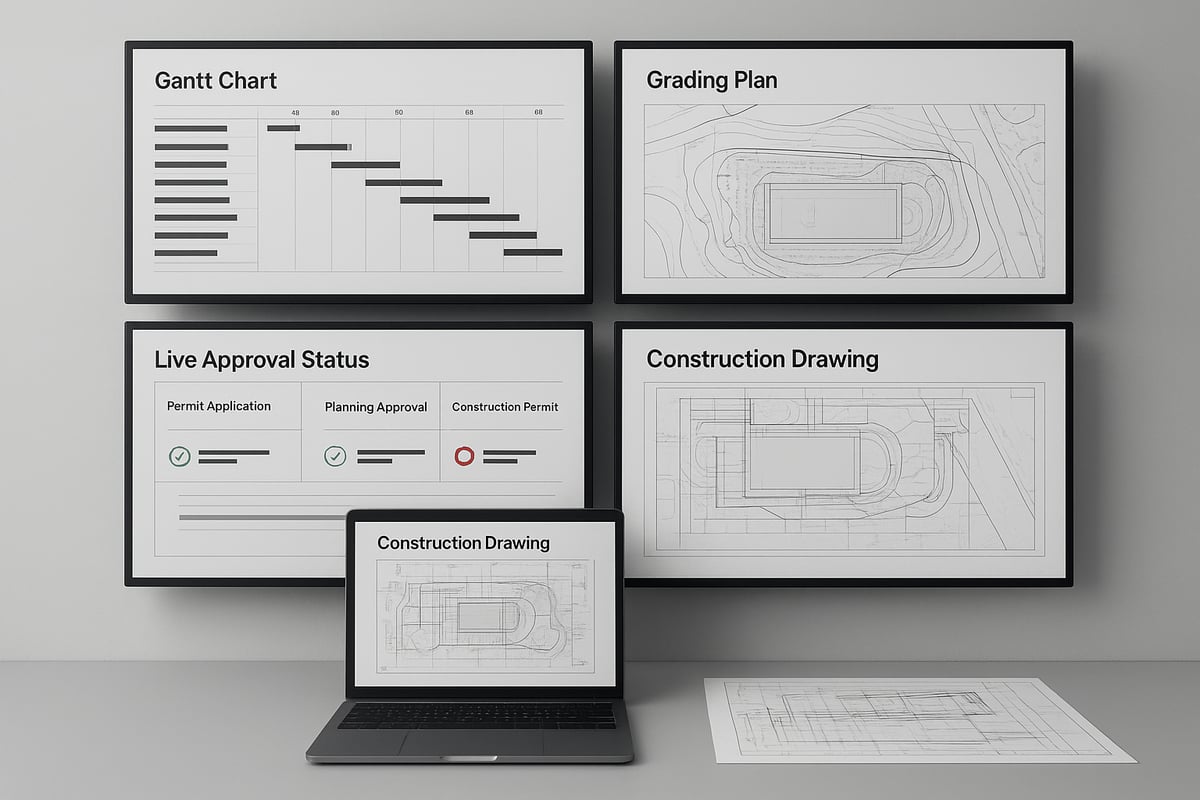
In premium landscape and residential construction, surprises can quickly derail even the most promising projects. Early planning creates a roadmap that anticipates challenges, preventing costly setbacks and protecting your investment.
When you develop a project management plan tailored to Ontario’s unique regulations, you align design, budget, and construction from the outset. This approach, as outlined in the Construction Management Plan Guidelines, ensures every detail, from grading to permitting, is addressed before ground is broken.
Consider a recent project where early detection of a grading requirement avoided a major change order and months of delay. These proactive measures save both time and money.
In 2026, success in Ontario construction will belong to those who prioritize early, integrated planning from day one. It is the only reliable path to delivering high-quality, on-time, and on-budget results.

After exploring these essential steps to creating a reliable project management plan, you can see how early planning, clear communication, and thoughtful coordination make all the difference on complex builds. If you want your next residential or outdoor project to stay on track and surpass expectations, it helps to have an experienced team who understands the Ontario landscape and advocates for your vision every step of the way. We’re here to help you get started—if you’re ready to bring your project to life with confidence, Book a Consultation.