Imagine a high-end pool and landscape project in the GTA, where one small oversight in grading or waterproofing leads to weeks of delay and thousands in unexpected costs. In 2026, the demand for flawless execution in residential construction has never been higher, and the margin for error is razor-thin.
For homeowners, architects, and builders, the stakes are real: a single missed detail can trigger costly change orders, failed inspections, or compromise the design vision. Too often, the absence of quality control for project management results in budget blowouts and stressful delays.
This guide delivers a comprehensive, actionable approach to quality control for project management, tailored for Ontario’s unique construction landscape. You’ll discover what quality control really means, why it matters, the essential steps to implement it, tools and techniques that set premium projects apart, Ontario-specific realities, and real-world lessons from the field.
If you want to protect your investment, avoid project pitfalls, and ensure every detail meets the highest standards, read on. The path to superior outcomes starts with robust quality control—and Solid Plan is here to guide you from concept to completion.
Quality control for project management is the backbone of high-value residential and landscape construction. According to PMI and 2026 industry best practices, it means systematically checking that every aspect of a project meets defined standards, from pool construction to luxury grading. This discipline ensures the final product aligns with both the approved design and client expectations.
It is important to distinguish quality control from quality assurance. While quality assurance focuses on the processes and systems that prevent errors, quality control for project management directly inspects, tests, and verifies work on site. This hands-on approach is critical for premium projects where architectural intent and finish quality must be protected.
For Ontario’s custom homes and outdoor spaces, quality control extends through every project phase. During planning, it guides documentation and constructability reviews. In execution, it drives site inspections, code compliance, and material verification. At closeout, it ensures all work passes municipal inspections and meets the Ontario Building Code, which is frequently updated to reflect new standards (Ontario Building Code 2024 updates).
Consider a pool installation or landscape grading project in the GTA. Without robust quality control, rework can account for up to 30% of total project costs. This risk highlights why documentation, regular inspections, and adherence to local by-laws are non-negotiable for successful outcomes in Ontario’s demanding market.

Quality control for project management is the backbone of financial success in premium construction. Without a robust approach, costly errors and unexpected change orders can quickly erode budgets, delay completion, and compromise both design and reputation. The stakes are especially high in Ontario’s high-value pool and landscape projects, where every detail counts.
Early and consistent quality control for project management safeguards the original design vision. It protects architectural intent from the very first grading plan through to the final pool tile. In the GTA, failing to address quality early can trigger permit rejections, site drainage failures, or non-conforming pool installations, all of which are expensive to remedy.
Consider the numbers: projects with strong quality control finish up to 20% faster and report 50% fewer defects than those without. This translates into smoother schedules, fewer headaches, and less rework—critical in a market where GTA homeowners expect flawless outcomes and timely handovers.
Beyond budgets and timelines, quality control also minimizes legal risks, failed inspections, and reputational harm. It builds a foundation of trust among homeowners, architects, and builders, ensuring everyone’s interests are protected. For real examples of how rigorous processes prevent costly mistakes, see our Construction Project Case Studies.

Quality control for project management in Ontario’s premium residential sector demands a disciplined, stepwise approach. Each phase, from early planning to final review, protects the design intent and ensures every element—from pool shells to grading—meets client expectations and regulatory requirements. By following these essential steps, homeowners, architects, and builders can minimize costly surprises and deliver flawless outdoor environments.
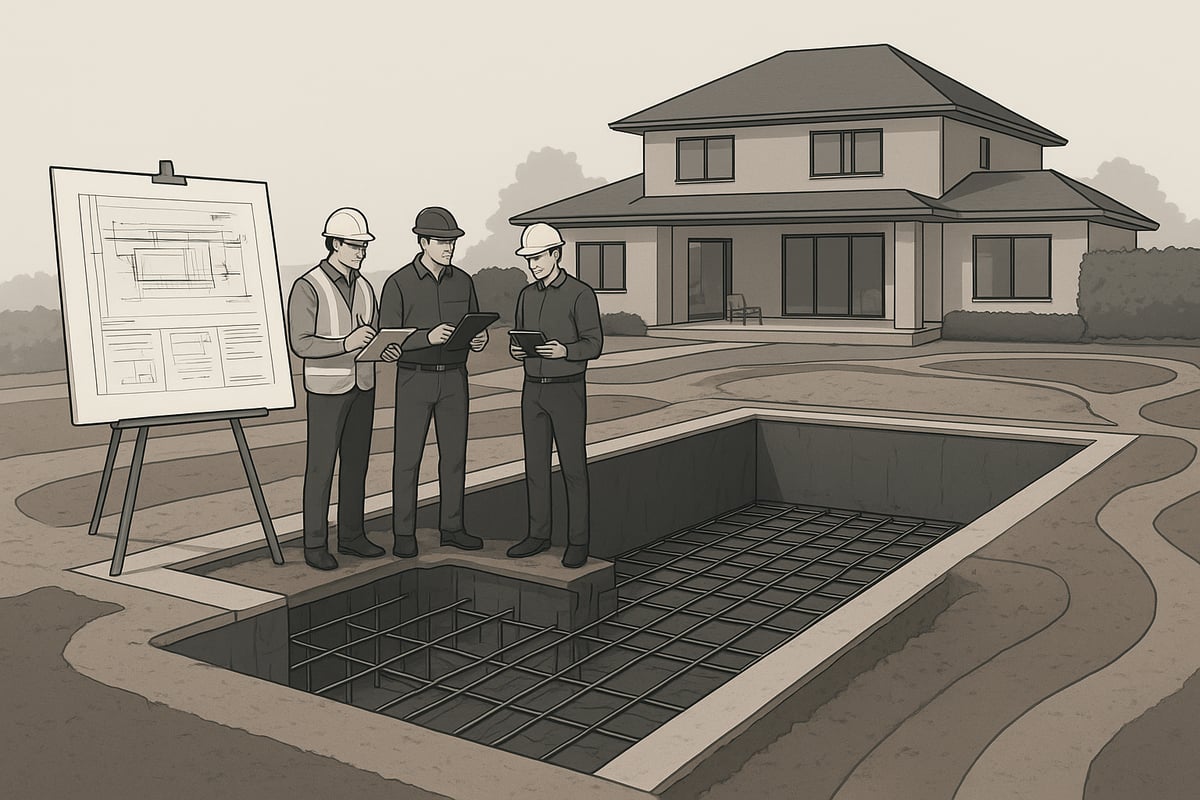
Setting clear quality standards is the cornerstone of quality control for project management. Begin by referencing the Ontario Building Code, municipal by-laws, and consultant specifications to define measurable benchmarks for every project component. Align these standards with the client’s vision and architectural plans.
Document specific criteria for elements such as grading accuracy, waterproofing details, and pool finish tolerances. Engage all stakeholders early to ensure everyone shares the same expectations. For a deeper dive into foundational standards, consider reviewing the Essential Elements of Project Success. For example, establishing precise tolerances for pool shells ensures structural integrity and premium results.
A robust quality control for project management plan maps out inspection points, responsible parties, and documentation protocols tailored to the project’s complexity. Integrate this plan directly into the master schedule and sequencing to avoid overlooked steps.
Specify required documentation—such as construction drawings, shop drawings, and submittals—so all trades work from the same reference point. Plan for third-party testing or municipal inspections where required. For example, a phased QC plan for pool construction and landscape installation helps prevent costly rework and keeps the build on track.
Timely inspections are critical for quality control for project management, especially in high-value outdoor builds. Schedule inspections for critical path items like excavation, formwork, waterproofing, and concrete pours.
Use digital checklists and photographic records to validate compliance at each stage. Coordinate with municipal inspectors for required code sign-offs and keep a real-time log of any deficiencies. For instance, a pre-backfill inspection of pool plumbing and drainage can catch issues before they escalate, protecting both budget and timeline.
Ongoing monitoring keeps quality at the forefront throughout the project lifecycle. Maintain comprehensive records, including daily reports and inspection logs, using digital tools for real-time communication.
Regular site meetings with architects, trades, and consultants help review quality performance and resolve emerging issues promptly. Adjust processes based on observed trends and feedback to drive continuous improvement. Weekly quality control review meetings build a culture of accountability and ensure every detail—from grading to finishes—meets the highest standard.
Selecting the right tools and techniques is fundamental for quality control for project management in high-value residential construction. A robust toolkit ensures consistency, accuracy, and compliance throughout every project phase.

Digital Solutions and Construction-Ready Documentation
Digital checklists and inspection apps streamline quality control for project management by providing real-time tracking and instant communication among project teams. Construction-ready drawings and detailed tender packages ensure all trades follow precise specifications, reducing ambiguity and minimizing costly errors.
Ontario-Specific Protocols and Compliance
Adhering to Ontario’s municipal protocols is vital. Tarion guidelines, site sign-off processes, and municipal inspection requirements shape every stage of a premium build. Leveraging resources such as the City of Toronto building inspections ensures your quality control plan aligns with local codes and by-laws.
Industry Best Practices and Technology Integration
Frameworks like Six Sigma, Lean Construction, and ISO 9001 set benchmarks for quality control for project management. Implementing these methodologies, combined with trade coordination and sequencing, helps deliver flawless outcomes. For example, using inspection software on a luxury landscape project enabled real-time updates, reducing rework and ensuring every detail met design intent.
Ontario’s regulatory landscape demands a unique approach to quality control for project management, especially in premium residential and outdoor construction. Every project must navigate local by-laws, conservation authority guidelines, and strict permit requirements that directly shape timelines, materials, and methods.
In the GTA, site-specific factors like variable soil conditions, complex drainage, winterization, and tight urban access all require early planning and detailed construction drawings. Compliance with the Electrical Safety Authority, municipal grading approvals, and pool fencing regulations is essential to avoid costly delays or failed inspections.
Effective quality control for project management means coordinating closely with municipal inspectors and maintaining precise as-built documentation. For example, a recent pool and landscape project in Toronto’s ravine zones involved layered approvals, careful grading plans, and staged inspections to protect both the client’s vision and the environment.
Working with a team experienced in Ontario’s regulations, such as those detailed on About Solidplan Services, ensures every phase meets the highest quality standards and local compliance.
On a recent Toronto pool project, Solid Plan implemented a detailed inspection plan from excavation through tile setting. This rigorous approach identified minor shell deviations early, preventing costly rework and protecting both schedule and budget. In another case, early sequencing and quality benchmarks for a complex landscape installation in Oakville ensured site drainage was flawless, even through spring thaw.
These examples reveal how quality control for project management stops issues before they escalate. When QC is neglected, projects can quickly spiral: missed grading tolerances lead to flooding, while incomplete documentation causes permit delays and change orders. By contrast, structured QC supports premium outcomes and smooth project delivery.
Industry data supports this: projects with formal QC processes report up to 60% fewer warranty claims, while construction labor productivity statistics show that robust QC can dramatically improve efficiency. Ontario architects and builders repeatedly highlight the value of clear standards, regular site reviews, and open communication.
Ultimately, the best teams treat every project as a learning opportunity. They document lessons, share knowledge, and continuously refine QC processes to deliver better results for every homeowner and design partner.
After exploring the essential steps, tools, and local insights for robust quality control in project management, you can see how much is at stake for your next high-value residential or outdoor build. Every detail, from early planning to inspections and documentation, makes a difference in both outcomes and client satisfaction. If you want to ensure your project in Ontario is delivered on time, on budget, and to the highest standards, we’re here to help guide you every step of the way. Let’s discuss how tailored quality control can make your vision a reality—Book a Consultation.