Every residential or outdoor construction project in Ontario carries high stakes. The combination of escalating costs, complex site realities, and the ever-present risk of budget overruns can make even the most promising project in planning feel overwhelming.
Looking ahead to 2026, the landscape is shifting. Regulatory scrutiny is tightening, supply chains remain unpredictable, and clients expect nothing less than luxury and precision in their outdoor spaces and custom homes.
Success is not left to chance. Strategic, early project in planning is the proven approach for ensuring results are on time, on budget, and true to the original design vision, especially for premium builds.
This guide provides a clear, step-by-step roadmap for project in planning strategies that meet Ontario’s unique demands. Learn how to sequence, budget, coordinate trades, and avoid costly change orders, with insights tailored for homeowners, architects, and custom builders.
Ontario’s residential construction scene is entering a new era. By 2026, homeowners, architects, and custom builders face a landscape shaped by stricter by-laws, more complex permitting, and booming demand for premium outdoor amenities. Projects are larger, expectations are higher, and the consequences of errors are more severe.
When project in planning is rushed or incomplete, the risks multiply. Recent Ontario statistics show that inadequate planning remains a leading cause of cost overruns, delays, and disputes—often resulting in compromised design and frustrated stakeholders.
Early, strategic planning is the linchpin that aligns vision, budget, and buildability. It serves to protect design intent from concept to completion, ensuring that every detail is feasible, compliant, and cost-effective. Careful sequencing and trade coordination are essential. Without them, even the best designs can unravel due to scheduling conflicts or missed technical requirements.
For example, a recent GTA pool and landscape project avoided budget blowouts and costly change orders because of detailed pre-construction planning. By anticipating grading, drainage, and municipal approval challenges, the team delivered on time and on budget. Interested in more Ontario-specific examples? Explore case studies on project success for insights into how robust planning transforms outcomes.
In 2026, the projects that stand out in Ontario are those built on solid, construction-ready plans. Anticipating local realities from the outset is not just best practice—it is the foundation of project success.

Establishing a clear scope is the cornerstone of any successful project in planning, especially for premium residential and outdoor builds in Ontario. Early collaboration between homeowners, architects, and landscape architects ensures that every must-have is captured before design or budgeting begins.
The first step in the project in planning process is to translate lifestyle aspirations into concrete deliverables. For example, a family’s vision for a backyard oasis with a pool and cabana must be defined in detail, including grading requirements, materials, and use zones. Setting Ontario-specific success metrics—such as obtaining all necessary regulatory approvals, achieving precise grading compliance, and maintaining design fidelity—protects both intent and investment.
Careful alignment with zoning, conservation authorities, and local by-law restrictions is essential. This step prevents scope creep and future disputes. In one recent project, detailed early scoping allowed a GTA homeowner to avoid costly changes by accounting for complex grading and permitting challenges up front. Documenting exclusions is equally important, clarifying what the project will not include.
A robust project in planning approach lays the groundwork for every subsequent decision. For those seeking step-by-step guidance tailored to Ontario’s unique landscape, the Construction planning services overview offers a comprehensive look at how expert support ensures clarity and cohesion from the outset.
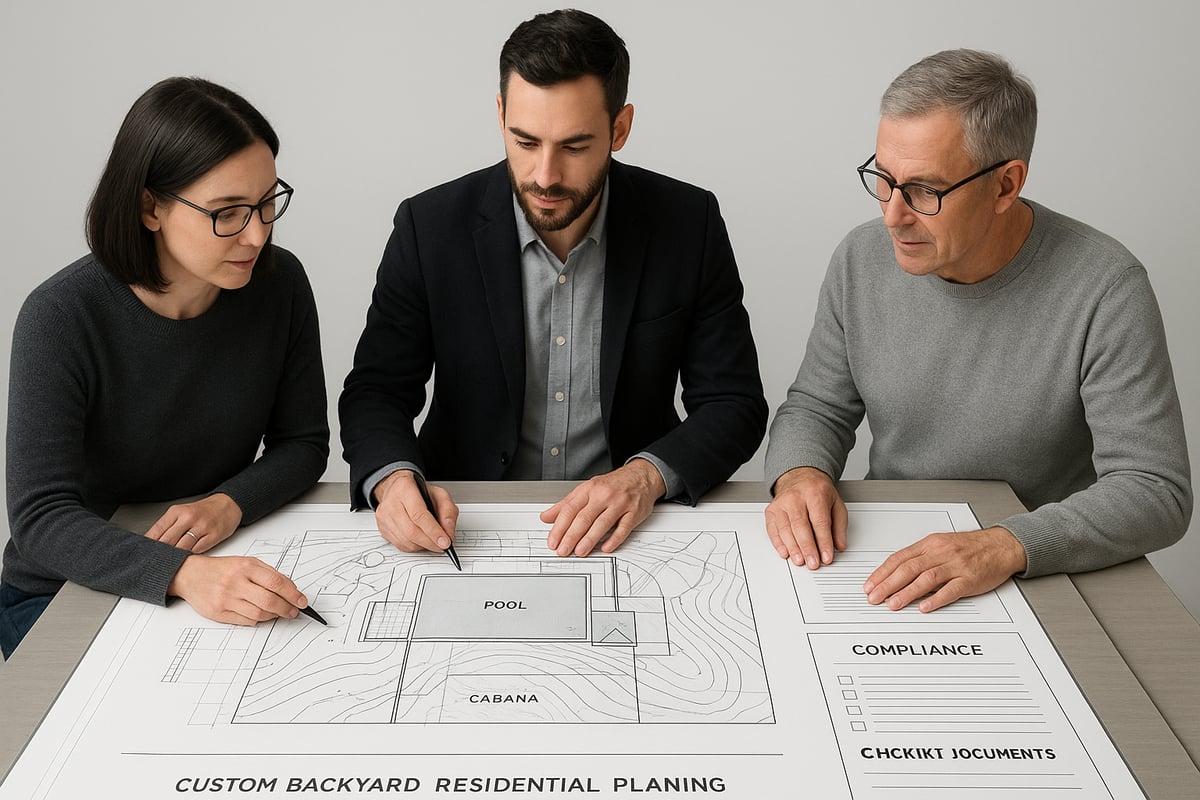
Careful budgeting and cost planning are the backbone of any successful project in planning, especially for premium outdoor and residential builds in Ontario. Early, detailed financial preparation protects both vision and investment, allowing every step to proceed with clarity and control.
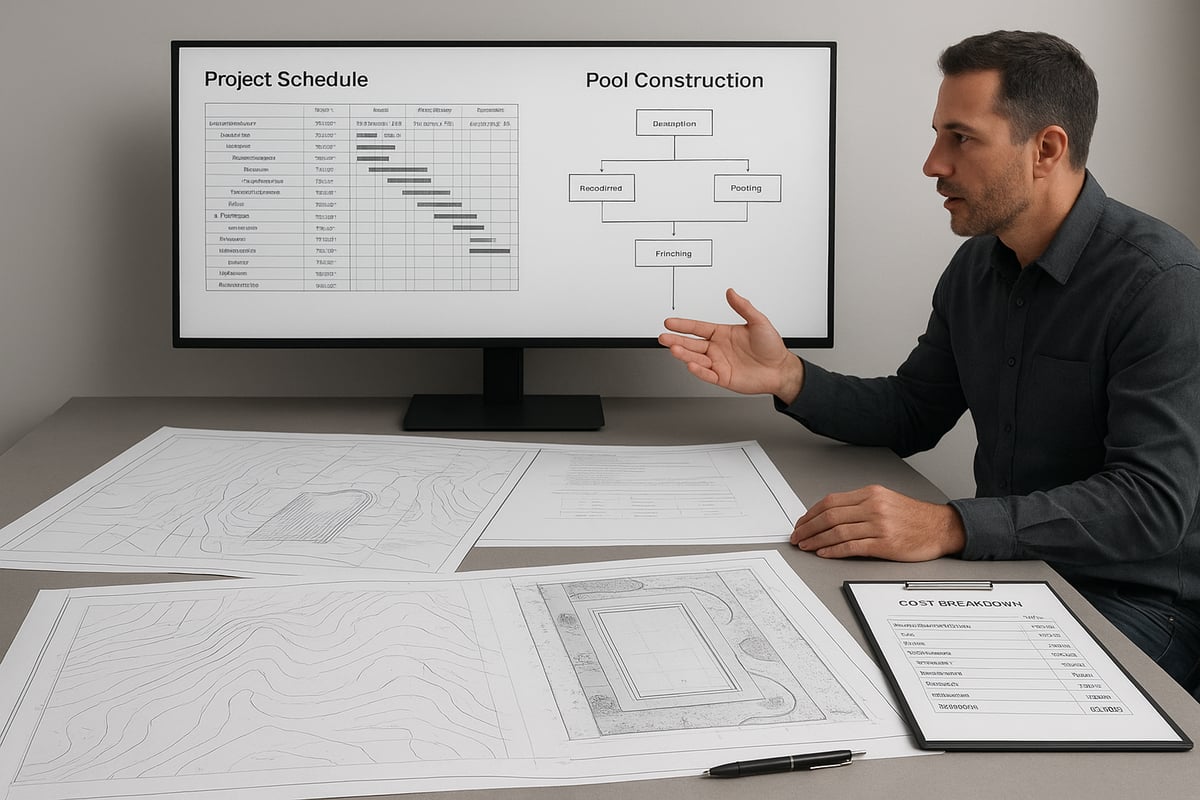
A robust budget for any project in planning must begin with a comprehensive breakdown of all elements. This includes site preparation, grading, pool construction, landscaping, structures, and utility connections. In Ontario, it is crucial to account for local realities such as permit fees, development charges, utility locates, and seasonal premiums for winter work.
| Budget Category | Ontario-Specific Considerations |
|---|---|
| Site Prep & Grading | Conservation authority compliance |
| Pool Construction | Permit timing, winter premiums |
| Landscaping | Zoning and setbacks |
| Structures | Accessibility and building codes |
| Utilities | Locates, municipal approvals |
Contingencies are essential, given the unpredictability of supply chains and unique site conditions. Aligning budget development with design milestones ensures cost control as plans evolve. Precise construction drawings and technical specifications are vital for accurate pricing and minimizing the risk of costly change orders.
Effective tendering is critical for premium projects. Pre-qualify trades based on experience with Ontario luxury builds, and issue complete bid packages to ensure all parties price the same scope. Comparing apples to apples reduces confusion and safeguards against gaps in delivery.
Solid Plan uses a rigorous tendering process, coordinating with specialized trades and leveraging detailed project documentation. This level of diligence not only protects the client’s investment but also fosters trust and transparency. For more on how Solid Plan leads successful project in planning and execution, visit Solid Plan project management.
A recent GTA pool and landscape project illustrates the value of this approach. Early, transparent budgeting prevented mid-project change orders, keeping the build on track and on budget. Ultimately, a detailed project in planning process is the surest path to a seamless, value-driven outcome.
A successful project in planning is defined by how well sequencing and scheduling are handled from the outset. In Ontario, premium outdoor and residential projects demand meticulous coordination to avoid costly delays, rework, and budget overruns. By establishing a construction-ready plan, you ensure that every phase flows logically, respecting both site realities and regulatory timelines.

Every project in planning at the high end starts with a logical work breakdown structure. This breaks complex builds into manageable phases, allowing for clear sequencing of excavation, grading, pool shell installation, landscaping, and structures. In Ontario, it’s essential to integrate municipal and conservation permitting timelines into your master schedule. Gantt charts and digital scheduling tools enable real-time tracking, ensuring all milestones align with local approval processes and seasonal constraints. For insight into how technology and new methods are shaping sequencing, see Ontario's 2025 Construction Trends. Early, detailed planning prevents bottlenecks and protects both your design and investment.
Effective trade coordination is the backbone of any successful project in planning. Pool builders, landscapers, masons, electricians, and carpenters must be scheduled to maximize site access and minimize site congestion or rework. In Ontario, weather delays and supply chain issues are real risks, so build contingency into your schedule and plan for inspection hold points. For example, sequencing pool installation before hardscape work avoids costly remobilizations and site damage. With robust coordination, you create a seamless build process that distinguishes a well-managed project from a chaotic site.
In every project in planning, quality control is the backbone of a predictable, premium build. For Ontario’s complex sites, robust inspection protocols at each phase are essential. These include:
Proactive risk management is equally vital. Identifying grading errors, drainage challenges, or municipal red tape early prevents costly setbacks. Staying current with new legislative requirements, like those in the Protect Ontario by Building Faster and Smarter Act, 2025, helps teams anticipate approval hurdles and avoid rework.
Effective change prevention relies on meticulous documentation. Detailed construction drawings and clear scope definitions reduce the chance of change orders, protecting the project in planning from budget blowouts. Transparent communication, supported by regular updates and decision logs, ensures all stakeholders remain aligned.
A dedicated project manager provides the single point of oversight needed to maintain quality. For example, early detection of a permit discrepancy on a GTA pool build prevented a major rework—saving time and protecting design intent. Ultimately, integrating these quality and risk measures into every project in planning delivers peace of mind and lasting value.
Clear communication is the backbone of every successful project in planning, especially for complex residential and outdoor construction in Ontario. Homeowners, architects, landscape architects, and builders all rely on defined protocols to keep every stakeholder informed and aligned from the earliest stages.
Setting up structured communication channels between owners, designers, trades, and municipal officials helps avoid confusion and ensures everyone understands the project’s scope, schedule, and responsibilities. Digital tools, such as collaborative platforms and document management systems, make it easy to track approvals, share updates, and store essential records for quick access and compliance.
Regular site meetings, detailed reporting, and decision logs are essential. These practices keep the team focused, address issues before they escalate, and maintain project momentum. Documenting every change, approval, and inspection keeps the process transparent and builds trust among all parties.
For example, on a recent GTA landscape and pool project, proactive stakeholder alignment and thorough documentation prevented delays, even with multiple trades on-site. Transparent communication and up-to-date records ensured that each trade could work efficiently and respond to real-time developments.
In 2026, integrating planning, documentation, and stakeholder engagement from day one is non-negotiable for premium Ontario projects. For tailored advice or to set up your own robust project in planning protocols, reach out to Solid Plan experts.
As you’ve seen throughout this guide, planning is the true foundation of a successful construction project—especially with Ontario’s evolving regulations, rising expectations, and unique site challenges. If you’re ready to bring clarity, structure, and peace of mind to your next residential or outdoor build, let’s start the conversation. You deserve a project that’s expertly managed from vision to completion, with every detail handled and every risk anticipated. Take the next step toward a seamless, on budget experience—Book a Consultation with the Solid Plan team and see how our tailored approach can deliver the results you expect in 2026 and beyond.